Hey there, let’s be real – if you’ve got a fire pit in your backyard, you know how good those nights are: s’mores with the kids, post-work wine with your roommate, maybe even a random campfire vibe in the middle of October. But here’s the thing no one talks about enough: when it’s not in use, that fire pit’s basically sitting in the crosshairs of harsh weather, random grime, and even tiny critters trying to turn it into a hangout spot. As a fire pit supplier, I’ve seen so many customers make the same mistakes with storage that end up shortening their pit’s life way faster than it should. I’ve sold hundreds of these bad boys, and today I’m spilling all the real, no-BS tips I’ve picked up (no fancy industry jargon, promise) to keep your fire pit in top shape year-round when it’s not blazing. Fire Pit
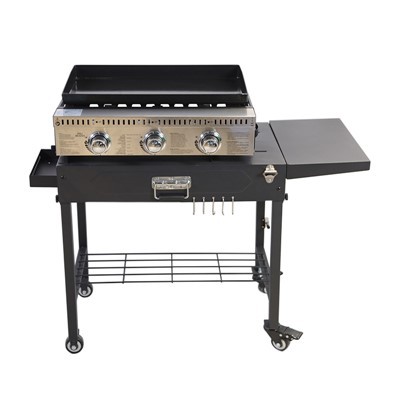
First off, let’s get one thing straight: storing your fire pit isn’t just shoving it in a corner of the garage and forgetting about it. Different materials need totally different care, and skimping on this part will cost you way more down the line than putting in 30 minutes of work now. Let’s break down the most common fire pit types I sell, because that’s what people actually need to know, not generic rules.
If you’ve got a steel fire pit – that’s the most popular one, right? It’s sturdy, heats up great, and doesn’t break the bank – you’ve got a few enemies: rust, moisture, and grease. Steel loves to rust, and even a single drop of water left on it for a few weeks can turn into a brown spot that spreads faster than a rumor at a cookout. I had a customer last summer who left his steel pit out on his porch all winter, no cover, and by spring, half the fire bowl was flaking off like old paint. Total waste, because he just didn’t do the basic prep step. For steel, first things first: wait for it to be 100% cool before touching it. I know, I know – after a great night, you’re tired, you just want to close up and go inside. But if you put a damp cover on a warm steel pit, you’re trapping moisture, and that’s rust central. So after the last ember’s out, let it sit for 6-8 hours minimum. Pro tip: if you’re in a hurry, toss a couple of newspaper balls in there – they’ll absorb the leftover heat and moisture way faster than the metal will.
Next, give that steel pit a quick clean before storing. You don’t have to deep scrub it like you’re prepping for a food show, but wipe out the leftover ash and charred bits with a dry cloth. Ash’s alkaline, right? Not something you want sitting on metal for months. If there’s any grease from burgers or marshmallows, wipe that off with a mild soap and water mix, then dry it completely – I mean, like, no damp spots anywhere. Then, if your steel pit is going into long-term storage (like 3+ months, say over winter), hit it with a thin coat of cooking oil (vegetable or canola works, don’t use olive – it’ll go rancid) and wipe it off with a paper towel so there’s no excess. That little layer acts as a barrier against moisture. I don’t sell fancy rust sprays as a go-to for most people because cooking oil is cheaper and easier for homeowners.
Now, if you’ve got a cast iron fire pit – that’s the heavier, thicker one that feels like a tank – it needs even more love when storing. Cast iron is prone to rust too, but it also needs to be seasoned, like a good skillet. If you don’t keep that seasoning up when it’s in storage, it’ll rust right through faster than steel. For cast iron, same cool-down rule first. Then, after cleaning the ash, give the whole pit a light coat of mineral oil (yes, that’s what’s used to season cast iron skillets) and wipe off all the excess – you shouldn’t see any puddles. If you’re storing it indoors, that’s solid, but if you have to put it on a covered patio (not recommended for long-term, but I get it if garage space is tight), make sure it’s elevated off the ground so no water pools under it. I once had a customer with a cast iron pit that sat on a wet concrete patio for a month – there were rust spots on the bottom that were impossible to buff out. Don’t do that.
Now, what about the other big ones: copper, aluminum, and stone fire pits? Those are lower-maintenance, but they still need a little care. Copper is pretty tough, it just gets that nice patina over time, but moisture can make it turn black if you leave it untreated. For copper, just clean off ash, dry it, and a quick wipe with a dry cloth is enough – no oil needed, that’ll mess up the patina. Aluminum is super lightweight and rust-resistant, so it’s basically the lazy person’s fire pit. All you need is a quick wipe, dry it, and maybe a cover if you’re storing it outside short-term. Stone fire pits – like the ones made with brick or concrete – hate moisture seeping into the cracks, because that can cause them to crack when the weather shifts. If your stone pit’s built-in (not a portable one), wait until it’s fully dry, then seal the cracks with a masonry sealer (I suggest a water-based one, it’s easier to apply) before any long cold or rainy season. If it’s a portable stone pit, same as the others: clean ash, dry, and cover it tight.
Okay, so materials are covered, but where the heck do you store it when you’re not using it? That’s another question I get all the time. A lot of people think “store it in the garage,” but not all garages are created equal. If you’ve got a dry, climate-controlled garage, that’s the best spot – no moisture, no critters messing with it, no snow or rain. But if your garage is drafty, or has leaks, that’s almost as bad as leaving it outside. Don’t shove it up against a wet wall either – that’s a recipe for rust. If you don’t have garage space, a covered patio or a deck with a roof is okay for short-term storage (like a month or two), but long-term? Invest in a good cover. Not a trash bag, not a old bedsheet – those let moisture get in. I sell heavy-duty, waterproof fire pit covers that fit most standard sizes, and trust me, they’re worth the $20 or so. They have a drawstring so they don’t blow off in a storm, and they’re UV-resistant so they don’t fall apart after a year. I’ve had customers tell me they tried a cheap Amazon cover and it tore in one snowstorm – not worth the hassle.
Wait, here’s a mistake people make: storing the fire pit with the lid or fire screen on. If you leave the lid shut when it’s cool, any leftover moisture that’s trapped in the pit or on the screen can cause rust spots overnight. Always leave the lid off, or prop it open, when storing it indoors or covered. Same with the fire screen – wipe it off, dry it, and store it separately if you can, or make sure it’s fully dry before putting it back on. Critters love to nest in the mesh of the screen, too – I had a customer who found a wasp nest in his screen when he pulled his pit out in spring. Yikes, that’s a bad time. So make sure the screen’s totally clean and dry before storing.
What about smaller, tabletop fire pits? Those are super popular for apartments or small patios, and they’re easy to store, but still need care. Most are made of steel or aluminum, so same rules: cool down completely, wipe off any fuel residue (wait, if you use gel or propane, make sure you empty the fuel line or remove the gel canister before storing!), then dry, and cover if storing outside. Never leave a tabletop pit with fuel in it for long-term – that’s a fire hazard, plain and simple.
Let’s talk about long-term storage, like if you’re going away for a few months, or storing over a harsh winter. That’s when you need to go the extra mile. For metal pits, if you can, take them apart – most portable ones are easy to take apart, right? Like the legs unscrew, the fire bowl comes off. Storing the parts separately saves space, and you can wrap each part in a towel or a blanket to prevent scratches. I always tell customers to label the parts so they don’t mix up legs from two different pits – been there, done that, spent an hour putting legs on wrong last spring. For stone portable pits, same thing if you can take apart the sections, otherwise, cover super tight with a heavy cover and maybe a tarp over that for extra protection.
And one non-negotiable rule: never store a fire pit with leftover embers or ash in it. Even if it looks cool, there could be a stray ember that’s still glowing, and if you seal it up in a cover or a garage, that’s a fire risk. I know, I know – you don’t want to shovel ash when you’re tired, but let it sit for 24 hours, then use a metal shovel (not a plastic one!) to dump the ash in a metal bucket, and store that bucket outside, not in your garage. Ash is actually good for plants, so you can even bag it up and use it in your garden later if you want.
Wait, what if you can’t avoid storing your fire pit outside? Maybe you live in an apartment with no garage, or your yard’s too small. Then you need to take extra steps. First, pick a spot that’s elevated – like a concrete patio block, or a stack of cinder blocks (make sure they’re dry) – so no water pools under it. Then, get that heavy-duty waterproof cover I mentioned, and make sure it’s sized right. If it’s windy, tie the cover down with rope so it doesn’t blow away. Every month or so, if you can, go out and check under the cover for moisture – if there’s any, take the cover off and let it air out for a few hours, then put it back on. I’ve had customers who swear by this, because they live in areas with tons of rain, and their pits look brand new after 3 years.
Also, a quick note about cleaning supplies: don’t use harsh chemicals on your fire pit when storing, especially not on steel or cast iron. Those chemicals can strip the protective coating and make it more prone to rust. Stick to mild soap and water, or just a dry cloth, like I said earlier.
Let me wrap this up with the biggest takeaway I’ve learned from selling fire pits for years: storage doesn’t have to be complicated, and it doesn’t have to cost a ton. The key is to not cut corners on the basic steps, because a little work now saves you hundreds on a new pit in a year or two. I’ve seen customers bring back pits that are 5 years old, look like they just came out of the box, because they took the time to store them right.

If you’re looking for a new fire pit, or you have questions about storing the one you already have, I’m here to help. We’ve got all the right covers, cleaning tips, and even replacement parts if you need them. Whether you need a small tabletop pit for your balcony or a big steel one for your backyard, just reach out to talk through what works best for your space. Don’t wait until spring to realize you messed up storage – a few minutes of care now means way more good nights around your fire pit later.
Steel Fire Pit References
- National Fire Protection Association. Fire Pit Safety and Maintenance Guidelines. 2022.
- Cast Iron Institute. Seasoning and Storage Practices for Cast Iron Outdoor Fixtures. 2021.
- U.S. Department of Energy. Outdoor Heating Equipment Storage Tips. 2023.
- Copper Development Association. Care and Maintenance of Copper Outdoor Products. 2022.
- Masonry Society. Sealing Guidelines for Portable Stone and Concrete Fire Pits. 2021.
Huzhou Blue Carp Co., Ltd.
With abundant experience, we are one of the most professional fire pit manufacturers in China. Please rest assured to wholesale cheap fire pit for sale here from our factory. If you have any enquiry about custom service, please feel free to email us.
Address: Longxi Subdistrict, Huzhou South Taihu New Area, Huzhou City, Zhejiang Province, China
E-mail: tonycheung@bluecarpbbq.com
WebSite: https://www.bluecarpbbq.com/
