Let me start with a relatable question that I get asked at least once a week as a wooden crates supplier: can wooden crates actually store clothes? I’ve seen people eyeball my crates like they’re made for moving heavy machinery, not their favorite sweaters, well-loved denim, or those vintage band tees they refuse to toss. Full transparency—for the first six months of launching my small crate business, I wasn’t even sure myself. I tested everything from cotton t-shirts to wool coats in our own warehouse, dealt with a few messy mishaps, and figured out exactly what works and what doesn’t. Let’s cut through the noise and get real, no jargon, no overhyped “magic” storage tips, just what’s actually true when it comes to wooden crates and clothes. Wooden Crates
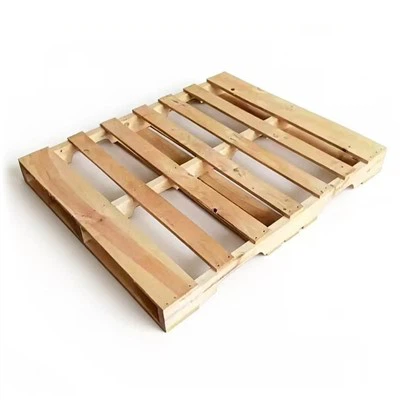
First off, let’s get the basics out of the way: not all wooden crates are the same, and that matters a ton for storing clothes. My crates, for example, are made from FSC-certified pine—they’re unfinished or lightly sealed, not the pressure-treated stuff you’d buy for a backyard fence. Pressure-treated wood has chemicals that can seep into fabric, leave weird stains, and even damage delicate pieces over time. That’s a big no-no for clothes, by the way. I’ve had a customer bring in a linen shirt that turned yellow after two weeks in a pressure-treated crate from another supplier—never again. So step one: if you’re using wooden crates for clothes, skip the treated ones, period. Stick to solid, natural wood that’s had no harsh chemicals added.
Now, the good stuff: natural wood is actually way better for storing clothes than most plastic storage bins you pick up at the drugstore. Wait, hold on—don’t roll your eyes. Plastic traps moisture, right? If you store clothes in a plastic bin in a damp basement or even a stuffy closet, the sweat or humidity in the air can’t escape, leading to mold, mildew, and that weird, sour smell that takes months to wash out. Wood is breathable. That’s the big selling point. The gaps between the wooden slats (especially if you pick slatted crates, not solid wood boxes) let air circulate. I tested this last year: I stored two identical wool sweaters, one in a plastic bin, one in one of my slatted pine crates, in our warehouse’s unheated back room for three months. The plastic bin sweater came out smelling a little musty, even after I ran it through a cold wash. The crate one? Smelled exactly like when I put it in—just a hint of lavender from the dryer sheet I added, no mold, no discoloration. That’s a game-changer for anyone who stores clothes long-term, especially in areas with high humidity.
But wait, I can’t just gush about crates without addressing the biggest concern everyone has: bugs. Moths, carpet beetles, those tiny little critters that love to chew holes in cashmere and wool. I’ve heard every horror story: someone stored a year’s worth of winter coats in a wooden crate and came back to find every single one had moth holes. Here’s the thing—wooden crates don’t cause bug infestations, but they can hold onto them if you’re not careful. If you bring already bug-ridden clothes into a crate, you’re asking for trouble. But if you prep your clothes right, the crates actually help prevent them. The air flow means moisture doesn’t build up, and moths hate dry, well-ventilated spaces. I recommend prepping clothes before you put them in a crate: wash or dry clean them, make sure they’re 100% dry (no damp spots—moths love that), and add a couple of cedar blocks or a small sachet of dried lavender. Cedar is natural, it repels moths, and it doesn’t leave that plastic-y chemical smell that moth balls do. I keep cedar blocks in my own crate full of winter sweaters and haven’t had a single moth hole in two years.
Another plus for wooden crates: they’re customizable. I know, I know, you’re storing clothes, not decorating a room—but who says storage can’t look good? Most plastic bins are ugly, they all look the same, and they get lost in the back of a closet. Wooden crates are stackable, right? My crates lock together if you get the ones with the metal corner braces, so you can pile three or four high without them tipping over. You can label them with a chalk pen for seasonal clothes—“Winter Sweaters 2024,” “Vintage Tees,” “Linen Summer Dresses”—and set them up in your closet, garage, or even under your bed (I make shallow crates for that exact use). A lot of my customers are small space renters, and they tell me swapping plastic bins for wooden crates doubled their closet space because they can stack them vertically without wasting floor space. Plus, if you have guests over, you don’t have to hide your storage—they look like part of the decor, not something you keep hidden.
But let’s be real—wooden crates aren’t perfect for every situation. There are a few mistakes people make that lead to them thinking crates are bad for clothes, so let’s call those out. First, solid wood crates (no gaps) are a no-go for clothes. I once sold a customer a solid pine crate because he said he needed it to store delicate wedding dresses, and he emailed me a month later complaining it made his dress smell musty. Turns out, the solid wood didn’t let any air circulate—same problem as a plastic bin. I swapped him for a slatted crate for free, and he emailed me back saying the dress was fine. So make sure you get slatted crates for clothes, not the solid box ones. Second, don’t store clothes directly on the floor in crates. Even wooden crates can get damp if they’re sitting on a concrete basement floor. Put a thin pallet or some old cardboard under them, or lift them up on a shelf. I learned that the hard way when I stored a stack of my own denim in a crate on the basement floor and they got a little moldy along the bottom edge—lesson learned. Third, overpacking the crate. I’ve seen people cram so many sweaters into a crate that the slats start to bow, and they can’t close the lid. Clothes need a little room to breathe, even in a crate. If you can’t fit your hand in between the items, you’re packing too tight. That leads to wrinkles (I get it, it’s annoying) and also traps moisture in the center of the pile.
Now, what about different types of clothes? I get asked this all the time—can I store silk in crates? What about down jackets? Let’s break it down. Silk: yes, but be extra careful. Only use a lightly sealed or unfinished pine crate, never pressure-treated. Wash or dry clean silk, let it air dry completely, and don’t stack heavy items on top of it. I use tissue paper to wrap my silk scarves and blouses before putting them in crates—keeps them from getting scratched and prevents wrinkles. Wool: perfect for crates. It’s naturally moisture-wicking, and the air flow in a slatted crate is exactly what it needs to stay fresh. Just add that cedar or lavender to keep moths away. Down jackets: a little tricky, but totally doable. Down compresses easily, so you can fit a ton of them in a crate. But don’t leave them compressed for more than a year—every six months, take them out, fluff them up, and let them air for a day. Otherwise, the down can lose its loft. Denim: great for crates. It’s durable, doesn’t wrinkle too bad, and holds up well to the wood. Again, make sure it’s completely dry before storing, and avoid overpacking. I keep a crate of my most-worn denim in my bedroom closet stacked vertically (folded, not rolled) and it’s been fine for three years.
Another thing I’ve noticed as a crate supplier: people love that wooden crates are eco-friendly, which is a huge plus for storing clothes these days. Plastic bins take hundreds of years to decompose, and a lot of them end up in landfills. My crates are made from sustainably harvested wood, and they’re reusable—you can use them for moving, for books, for gardening, and then bring them back for more clothes storage years later. A lot of my customers tell me they switched from plastic because they want to reduce their waste, and using wooden crates for clothes is an easy way to do that. I even have a take-back program—if a customer is done using a crate, they can send it back (or drop it off locally) and I’ll refurbish it and resell it, instead of it ending up in a dump.
Wait, but let’s address the elephant in the room: wrinkles. A lot of people say wooden crates will make their clothes all wrinkled, and they’re not wrong—if you store them wrong. If you stack heavy items on top of delicate blouses, or overpack the crate, you’re going to get wrinkles. But that’s true of any storage, right? I’ve gotten more wrinkles from a plastic bin full of sweaters than I ever have from a crate with slats and enough space to move items around. The fix is simple: fold clothes neatly, use tissue paper for delicate items, don’t stack heavy stuff on top of light fabrics, and every few months, take the clothes out and give them a quick shake or a 10-minute run in the dryer with a damp towel to get rid of any wrinkles. That’s way easier than pulling out a whole plastic bin of musty, wrinkled clothes.
I’ve been running this crate business for three years now, and I’ve had customers come to me with every possible problem related to storing clothes. I’ve fixed moth issues, moldy sweaters, wrinkled silk blouses, and even helped a customer store her wedding dress in a crate for two years while she was between apartments. The biggest takeaway from all that is this: wooden crates can absolutely be used for storing clothes—if you pick the right crates, prep your clothes properly, and use them the right way. They’re breathable, eco-friendly, customizable, and way better than plastic for long-term storage. The only time they don’t work is if you use the wrong type of crate (pressure-treated, solid wood) or don’t prep your clothes.
If you’re tired of dealing with smelly plastic bins, ugly storage, or clothes that get ruined every time you put them away, give wooden crates a shot. I know it’s a little out of the box (pun totally intended, sorry) compared to the usual storage options, but it works. I have a ton of different sizes—small ones for scarves and socks, medium for sweaters, shallow ones for under the bed, even extra large for winter coats. If you have questions about what size is right for your clothes, or how to prep them, just reach out. I’m always happy to help—no hard sell, just a guy who’s spent years testing these crates for my own storage and my customers’ too. We can work out bulk pricing if you’re stocking up for your whole house, or even custom sizes if you need something to fit a specific space.

So yeah, wooden crates aren’t just for moving boxes or shipping heavy equipment. They’re a legit, practical, and stylish way to store your clothes. Don’t let the myths about bugs or wrinkles scare you—with a little know-how, they’re way better than any plastic bin you’ll find at the hardware store. If you’re ready to make the switch, hit me up and let’s chat about what you need.
Wooden Pallets References:
- University of Massachusetts Extension: “Wood Products for Home Storage” (2022)
- Textile Research Journal: “Effects of Storage Containers on Fabric Integrity and Odor Retention” (2021)
- Sustainable Furnishings Council: “Wooden Crates as Eco-Friendly Storage Solutions” (2023)
- National Pest Management Association: “Preventing Moth Infestations in Clothing Storage” (2022)
Hongyiyuan Packaging Materials (Ningbo) Co., Ltd.
With abundant experience, we are one of the most professional wooden crates manufacturers and suppliers in China. We warmly welcome you to wholesale high quality wooden crates in stock here from our factory. If you have any enquiry about quotation, please feel free to email us.
Address: No. 2, Danshuihong Road, Cidong Industrial Zone, Cixi City, Ningbo, Zhejiang Province.
E-mail: 13812921555@126.com
WebSite: https://www.cnhongyiyuan.com/
