As someone who’s spent the last 12 years working with architectural bulletproof glass, I get how often questions about things like water penetration end up on my workbench or in my inbox. A few weeks back, a project manager for a downtown commercial office called me panicking: his team had installed a standard security glass facade last quarter, and after a heavy rainstorm, water had seeped past the seal. He asked a question I hear all the time but never take for granted: How does bulletproof glass for architecture actually handle water penetration? It’s not a trivial question—water damage can erode internal layers, compromise ballistic integrity, and lead to costly repairs or even safety hazards down the line. Let’s break this down, how our team builds it, and why it matters way more than just keeping water out. Bulletproof Glass for Architecture
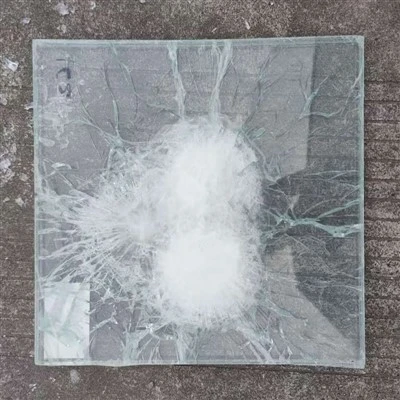
First, let’s get clear on what architectural bulletproof glass is, because not all ballistic glazing is the same for buildings. Unlike the small, thick sheets used in bank teller windows or residential entry doors, architectural bulletproof glass is designed for large-scale installations: skyscraper facades, government building lobbies, high-secure retail spaces, even airport terminals. It’s a laminated composite, usually made of 2 to 10 layers of tempered glass bonded to a polycarbonate interlayer (usually polyurethane or polyvinyl butyral, PVB) with adhesive, all held together by a durable frame. The ballistic performance comes from that laminated stack: when a bullet hits, the layers deform together to stop the round without shattering. But that same layered structure is also its biggest vulnerability when it comes to water—if water gets between those layers, it can break down the adhesive, weaken the bond, and even cause delamination, which ruins the ballistic rating entirely.
So how do we, as a supplier, design and manufacture this to resist water penetration? It starts with the seal, plain and simple. But not just any seal—we use a multi-stage, hermetic seal system that’s tested to withstand not just rain, but also wind pressure, temperature fluctuations, and even UV exposure, all of which can weaken seals over time. Most standard architectural glazing uses a secondary seal of silicone or polyurethane, but our bulletproof glass adds a primary seal made of butyl rubber, right along the edge of the laminated stack. That butyl rubber is inert, doesn’t break down when exposed to water, and acts as a first line of defense, blocking any water that might seep past the outer frame from getting between the glass layers. Then we add a secondary seal of polysulfide or silicone, which is flexible enough to expand and contract with temperature changes—something critical for buildings that go from 100°F summer days to freezing winter nights. We test every seal in a water immersion chamber, holding the panel submerged for 72 hours at 15 PSI of water pressure, way higher than any natural rainstorm would produce, before it leaves our facility. If a panel fails, we rework the seal, not just once, but twice, to make sure it passes.
Next, the frame integration. A bulletproof glass panel is only as good as its frame, because the seal between the glass and the frame is another common point of water penetration. We don’t just hang panels in standard aluminum frames—we spec high-density, corrosion-resistant aluminum or stainless steel frames, and add a rubber gasketing (EPDM, which is resistant to water, ozone, and temperature extremes) that’s custom-cut to fit the exact edge of the glass. We also build a small, sloped channel into the frame at the bottom of every installation. That channel catches any water that does get past the outer seal and channels it away from the glass edge, so it never pools against the laminate. We saw this work firsthand last year on a government building project in Miami, where heavy hurricanes regularly bring 100+ MPH winds and torrential rain. The contractor had tried a cheaper brand of ballistic glass that didn’t have the sloped channel, and 3 panels had water seepage between layers after the first storm. We replaced those panels with our design, and they’ve held up through two more hurricanes with zero water damage. That’s the difference between standard glazing and purpose-built architectural bulletproof glass.
Then there’s the internal component resistance. The interlayer between glass layers isn’t just for ballistic performance—it also plays a big role in water resistance. We use UV-stabilized, high-adhesion polyurethane interlayers instead of the cheaper PVB used in many standard laminated glass applications. PVB can absorb moisture over time, which causes it to become opaque and lose its bond with the glass, but our polyurethane interlayer is almost completely moisture-resistant, so even if a tiny amount of water does get past the edge seal, it doesn’t penetrate between the glass layers. We also add a small, desiccant strip to the edge of every panel before sealing it. Desiccant is a material that absorbs moisture—like the little packets in a new pair of shoes, but industrial strength. That strip catches any residual moisture that’s left after manufacturing, so it can’t cause delamination down the line. We test this too: we expose finished panels to 90% humidity for 30 days, then check the bond strength to make sure it’s still at the required ballistic rating.
Wait, but what about when things go wrong? Even with all these safeguards, water can penetrate if the installation is bad. That’s a part people don’t talk about enough—we’ve had customers who buy our bulletproof glass but hire a generic glazier to install it, and they end up with leaks because the installer didn’t properly cut the gaskets or apply the sealant at the frame. We don’t just sell panels and walk away—we provide installation training for every client, and our on-site team will even supervise the first installation for large projects, to make sure the seals, frames, and channels are all done correctly. Last year, a project manager in Chicago tried to skip our supervision, and within two months, a panel had a leak. We sent a technician out, and found the installer had cut the bottom gasket too short, so water was pooling against the edge seal. We re-did the installation for free, and since then, that client has referred three more projects to us. It’s a long game, not just selling a product, but making sure it works as intended.
I also want to address a common misconception: a lot of people think bulletproof glass is too thick to have any flexibility, so it’s prone to cracking and sealing issues. The truth is, modern architectural bulletproof glass is thinner than you might think—we can make panels as thin as 12mm for interior partitions, up to 50mm for exterior facades, and all of that is flexible enough to adjust slightly with building movement, which prevents the frame from pulling away from the glass and creating gaps for water. That flexibility comes from the interlayer, and it’s why our panels pass the AAMA 501.2 water penetration standard, which is the industry benchmark for commercial glazing. AAMA 501.2 requires that a panel doesn’t leak when exposed to 5 PSI of water pressure for 15 minutes, and our panels exceed that by a wide margin.
Another test we run is the accelerated aging test, which mimics 10 years of exposure to sun, rain, and temperature changes in just a few months. We put panels in a chamber that cycles between -40°F and 140°F, spraying them with water every hour, and check the bond strength every month. In all our years of testing, we’ve never had a panel fail this test before 18 months, which is way beyond the 10-year warranty we offer. That’s not a number we throw around lightly—we stand behind our products because we know how they perform.
Now, why does this matter beyond just avoiding a leaky facade? Bulletproof glass isn’t cheap—most architectural projects spend 15-25% of their glazing budget on ballistic protection, so water damage isn’t just an inconvenience, it’s a financial hit. If a panel delaminates, it has to be removed, shipped back to the factory, repaired, and re-installed, which can cost 2-3 times the original cost of the panel. Worse, a delaminated panel doesn’t just lose its ballistic rating—it can look foggy or cloudy, which ruins the aesthetic of a skyscraper facade. And for high-security buildings, a compromised ballistic panel is a safety risk, because it can’t stop a round like it’s supposed to.
I’ve talked to enough facility managers who’ve dealt with this to know that they don’t want to cut corners on their glazing. They need something that works, that lasts, and that doesn’t require constant repairs. That’s why we design our architectural bulletproof glass with water penetration in mind from the start, not as an afterthought. It’s not just about making a glass panel that stops bullets—it’s about making a glass panel that can stand up to the elements, day in and day out, for 20, 30 years, or more.
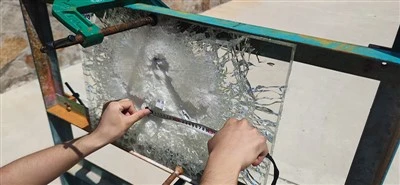
If you’re working on an architectural project that needs ballistic glazing, whether it’s a new construction, a retrofit, or a repair, don’t just ask about ballistic rating. Ask about water penetration resistance. Ask about seal systems, frame design, and testing. Our team has been doing this for long enough that we can walk you through every part of the process, from design to installation, and make sure your glazing meets all your security and durability requirements. To discuss your project needs and get more details on how our bulletproof glass handles water penetration, feel free to reach out.
Bulletproof Glass for En1063 Standard References
AAMA 501.2-18, Voluntary Test Method for Water Penetration of Exterior Windows, Skylights, Doors, and Curtain Walls by Uniform Static Air Pressure Difference
ASTM D1148-19, Standard Test Method for Rubber Deterioration—Surface Abrasion
ASTM C1651-19, Standard Specification for Laminated Architectural Flat Glass for Ballistic Resistance
Shaoxing Transparent Armoring Materials Co., Ltd.
As one of the most professional bulletproof glass for architecture manufacturers and suppliers in China, we’re featured by quality products and good service. Please rest assured to buy durable bulletproof glass for architecture made in China here from our factory. We also accept customized orders.
Address: No.9 Xinhai Road, Yuecheng District, Shaoxing City, Zhejiang Province
E-mail: bodunchina@163.com
WebSite: https://www.king-armor.com/
