If you’ve ever watched a surgery scene on a medical show, you might’ve caught the quick, precise snips of surgical scissors. At first glance, they look like simple tools—just two sharp blades, a pivot, and handles to grip. But if you’re new to the operating room (OR) or even a vet clinic, a dental office, or a medical supply training session, you might be asking: Is it actually easy to learn to use surgical scissors? As someone who’s been in the surgical scissor supply game for over a decade, I’ve seen this question come up a lot—from new scrub techs just starting out to small clinic managers looking to train their team. Let’s break this down, no stuffy jargon, just real talk about what it takes to get comfortable with these tools. Surgical Scissor
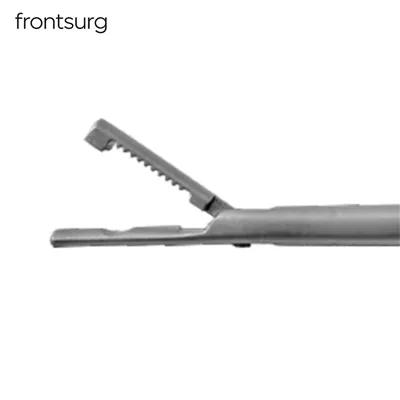
First, let’s get one thing straight: not all surgical scissors are the same. That’s a huge mistake new folks make—they pick up the first pair they see and expect it to work like the one on TV. There’s tissue scissors (like Metzenbaum or Mayo scissors), suture scissors, bandage scissors, even fine-tipped dissecting scissors for delicate work. Each is built for a specific job, so learning to use them starts with knowing which one to grab when. For example, Metzenbaum scissors are long, thin, and have blunt tips—they’re for cutting soft tissue, and you need to maneuver them carefully so you don’t nick a blood vessel. Mayo scissors are sturdier, with thicker blades, for cutting heavier tissue or sutures. If you try to use a fine suture scissor to cut thick muscle tissue, you’ll not only dull the blades fast but also make a messy cut. That’s where a lot of the “hard” learning happens—mastering the difference between scissor types, not just how to squeeze the handles.
Now, the physical part of using surgical scissors. Unlike regular office scissors, these are designed to be sterile, grip for gloved hands, and cut through stuff that’s way tougher than paper or cardboard. When you’re wearing sterile gloves, your dexterity is a little off at first—latex gloves have a certain feel, nitrile is slippery, and you can’t just reposition your hand like you would with ungloved scissors. The handles too: some have ring loops sized for adult hands, others are smaller for pediatric use. If your fingers are slipping inside the loops, your cuts will be wobbly. I’ve seen new trainees fumble with this on their first day—they squeeze too hard, or not hard enough, which makes the blade slip off the tissue. It takes a few practice sessions (we usually recommend 5-10 hours of supervised practice on animal tissue or silicone pads) to build that muscle memory. Once you get the hang of the grip, though, it’s not that bad—most people pick up the basic motion within a week, as long as they’re practicing with the right pair of scissors.
Wait, but what about the precision part? That’s where a lot of people get stuck. Surgical scissors aren’t just for cutting—they’re for dissecting, separating tissue, and even lifting small pieces. A good surgeon or tech doesn’t just snip; they glide the blades along the tissue, feeling for the right plane. For example, when cutting a suture, you have to align the blade right up against the knot so you don’t nick the patient’s skin. If you’re new, you might make a random snip and cut too deep. But here’s the thing: precision is about familiarity. The more you use the scissors, the more you can tell how sharp they are (good scissors will cut through tissue with almost no pressure, so if you’re pushing hard, the blades are dull or you’re holding them wrong). A lot of clinics skip this training because they think “scissors are scissors,” but that’s why we work with training centers to give sample pairs for practice—once you’ve cut 50 or so suture knots and 20 pieces of simulated tissue, the precision part clicks.
But let’s be real—there’s a learning curve, and it’s not the same for everyone. A scrub tech who’s been in the OR for a year might pick up a new pair of scissors in 10 minutes, while a new nurse might take a couple days. Also, you have to follow sterile technique, which adds another layer. You can’t just set the scissors down on the sterile field; you have to pass them the right way (blades closed, handles facing the next person) so you don’t contaminate anything. That’s a small detail, but it’s easy to mess up when you’re nervous. I once had a trainee who dropped a pair of Metzenbaum scissors on the OR floor her first week—she was so embarrassed, but honestly, that’s how everyone learns. The key is having a supervisor who’s willing to walk you through it, not just throw a pair at you and say “use this.”
Now, let’s talk about common myths. I’ve heard people say “surgical scissors are too complicated for beginners” or “you need a surgeon’s hands to use them.” That’s not true. A lot of the time, the people using surgical scissors aren’t even doctors—scrub techs, surgical assistants, even vet techs do most of the cutting. We’ve had so many customers tell us their new team members went from “I can’t do that” to “I’m comfortable using scissors on my own” in just two weeks. The trick is starting with the right tools: don’t give a new trainee a $500 pair of fine dissecting scissors (they’ll ruin them out of nervousness) — start with a mid-range pair of Mayo scissors for practice, then move to finer ones once they’re steady. Also, maintenance matters: sharp scissors are way easier to use than dull ones. If your scissors are always dull, you’ll have a harder time learning because you’re fighting to cut, not just maneuver. That’s why we offer scissor sharpening kits for clinics, so their tools stay in good shape.
Wait, but what about safety? That’s another big part of learning to use surgical scissors. You have to make sure the blades are closed when not in use, pass them correctly, and never point them at someone. A lot of new folks worry about getting pricked, but if you follow basic rules (closed blades when passing, no running with them), it’s not dangerous. I’ve been in this industry for 12 years, and I’ve only heard of a handful of small accidents, all from people who were in a hurry and didn’t follow the rules. So safety is learnable too—it’s just part of the training, not something that makes scissors impossible to use.
Let’s circle back to being a surgical scissor supplier. We work with all kinds of places: small private clinics, large hospitals, vet offices, dental schools. A common question we get from these places is, “How do we train our team to use scissors properly without wasting money on training sessions?” The answer is simple: start with a proper orientation, give your practice team sample scissors, and practice on simulated tissue (or even old gauze for suture practice). We actually send free practice scissors to a lot of our regular customers for their new hires—small way to help bridge that learning gap. And here’s the thing: when you learn to use surgical scissors the right way, they’re not that hard. They’re just a tool, same as a screwdriver or a pair of kitchen shears, but they’re built for a specific job. The only real barrier is not knowing the differences between the types, which is where good training (and good supplier advice) comes in.
I should also mention that some people have a natural knack for it, and others take a bit longer. That’s totally normal. I’ve seen a 20-year-old scrub tech pick up surgical scissors faster than a 50-year-old nurse, and vice versa. It’s not about age or experience—it’s about having the right tools and taking the time to practice. If you’re a clinic manager, don’t rush your new team; give them a day to just hold the scissors, practice opening and closing, before they ever touch tissue. That small step makes a huge difference.
Another thing: choosing the right scissors for your setting matters too. If you’re a dental clinic, you don’t need the same scissors as a general surgery clinic. Dental scissors are smaller, finer, for cutting gums or sutures in the mouth. If you pick the wrong type, you’ll struggle way more. That’s why we work with customers to figure out exactly what they need—no one-size-fits-all here. A lot of suppliers just sell you a random pair, but we take the time to ask what the scissors will be used for, so you get the ones that are easy for your team to learn with.
Wait, let’s talk about a real example. Last year, a small animal clinic in Ohio reached out to us—they had two new vet techs who were struggling with their old scissors. The techs said they felt wobbly when cutting tissue, and they were nervous about messing up. We sent them a pair of practice Metzenbaum scissors and a packet of simulated tissue for practice. A month later, the clinic manager emailed us to say the techs were using the new scissors comfortably, and they even had a lower rate of dull scissors because the new ones were easier to control. That’s exactly what we’re talking about: the right tool makes the learning curve way smoother.
So, to wrap this up: Is it easy to learn to use surgical scissors? The short answer is yes, it’s totally learnable—especially if you start with the right tools, take time to practice, and get proper guidance. It’s not “easy” in the sense that it’s a 5-minute crash course, but it’s not rocket science either. The biggest mistakes new folks make are grabbing the wrong pair of scissors, skipping practice, or not asking for help when they’re stuck. As a supplier, we don’t just sell scissors—we help our customers make training easier, because we know that a properly trained team is the best way to get the most out of their tools.
If you’re a clinic manager, scrub tech, or anyone else looking to get surgical scissors and help your team learn to use them right, we’re here to help. We can walk you through the different types, send practice tools, and give you tips on training. Don’t hesitate to reach out to discuss your needs and find the right scissors for your team.
Tissue Closure and Ligation References:
- Association of periOperative Registered Nurses. (2022). "Surgical Tool Training Guidelines for Sterile Processing and Clinical Staff." AORN Journal.
- American College of Veterinary Surgeons. (2021). "Basic Surgical Instrument Proficiency for Small Animal Clinics." Veterinary Surgery Journal.
- Occupational Safety and Health Administration. (2020). "Workplace Safety Guidelines for Medical Tool Training and Use." OSHA Medical Safety Manual.
- Surgical Tool and Instrument Manufacturers Association. (2023). "Standardized Training Protocols for Basic Surgical Scissors." STIMA Industry Report.
Frontmed (Hangzhou) Trading Co., Ltd.
Frontmed (Hangzhou) Trading Co., Ltd. is one of the most experienced surgical scissor manufacturers and suppliers in China, also supports custom service. Please rest assured to wholesale high quality surgical scissor made in China here from our factory. Contact us for more details.
Address: Room 406, Building 6, No.1688 Chunjiang East Rd, Tonglu, 311500, Hangzhou
E-mail: alex@frontsurg.com
WebSite: https://www.frontsurg.com/
