Alright, let’s get real. When a customer hits me up asking about melting furnaces for high-altitude spots, the first thing I do is not jump into specs— I pull up a local altitude chart and ask, “You at 5,000 ft? 10,000 ft? Higher? ‘Cause that changes everything, plain and simple.” Most folks I talk to don’t realize high-altitude isn’t just “mountain air” — it’s thin air, way less pressure, and that messes with how furnaces work way more than your average shop at sea level. Let me break this down like I would when I’m explaining to a plant manager over a coffee, no fancy jargon (I hate that stuff anyway). Melting Furnace
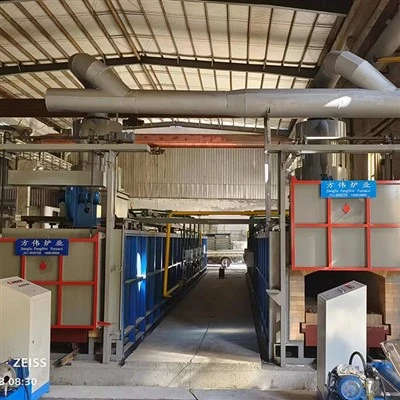
First, let’s ground this: what even is high altitude when we’re talking furnaces? I’ve seen projects from 4,500 ft in the Rockies to 14,000 ft up in the Andes, and each level tweaks performance. The big culprits here are two things: barometric pressure drops (thin air = way less oxygen molecules per cubic foot) and lower boiling points for liquids— yeah, even the metal you’re melting. Most standard furnaces I sell work great at sea level, but they hit a wall at 3,000 ft. That’s where we have to adjust, and that’s what I’m here to tell you.
Let’s start with the core of a melting furnace: combustion. If you’ve ever fired up a backyard grill at elevation, you know it sputters at first, right? Same idea with a furnace. Gas-fired furnaces (the most common for metal melting) need a mix of fuel and oxygen to burn clean and hot. At sea level, air is ~21% oxygen, easy enough. At 7,000 ft? That’s down to 17% — same number of molecules, spread thinner. So if you hook up a standard burner without adjusting for that, you’re running lean: not enough oxygen to fully burn the fuel. Result? Lower flame temp, slower melt times, maybe even soot buildup inside the furnace that eats at the lining over time. I’ve seen a customer in Denver (5,280 ft, duh) run a regular burner for a month before calling me, wondering why they were using 20% more gas than their old shop in Houston. Turned out, their flame was only hitting 2,600°F instead of the 3,000°F it should — that was the gap.
So how do we fix combustion? Two quick, practical fixes (I don’t do overcomplicated). First, up the fuel-to-air ratio, but not just random — we calibrate the burner’s air damper to let in 20-25% more air at 5,000 ft, 40% more at 10,000 ft. Wait, but hold on: too much air is bad too. That’s excess air, which cools the flame. It’s a balance, and I tweak it on-site sometimes if a customer’s at a weird altitude. The second fix? Preheat the combustion air. Thin air is cold up high anyway, right? If we heat that incoming air to 200-300°F before it hits the burner, we get a hotter, more stable flame. I installed these preheaters for a guy in Leadville (9,900 ft) last year, and his melt time for aluminum dropped by 18% — game changer for his production.
Then there’s the metal itself. Let’s talk about boiling points because high altitude lowers that too. Water boils at 212°F at sea level, but at 7,000 ft it’s 203°F — same idea for metals. Aluminum’s boiling point is ~4,566°F at sea level; at 10,000 ft? Knock off about 20°F. That doesn’t sound like much, but when you’re holding molten aluminum at 1,300°F (way below boiling) to pour it, the lower atmospheric pressure makes the metal’s surface “off-gas” more. Tiny bubbles pop out of the melt, which causes defects in the final castings. Not ideal if you’re making parts for aerospace or automotive. So how do we fight that? We add a small, sealed “holding zone” in the furnace where we can cap the metal surface with a layer of cover flux (that’s just a fancy term for a powder that keeps air out) and then slight overpressure inside that zone. Wait, overpressure? Because outside is low, so if we pump just a little extra air into the holding area, we equalize the pressure and stop those bubbles. I’ve had a foundry in Mexico City (7,350 ft) tell me their casting defect rate went from 8% to 1% after we added that feature. Worth the extra 10 minutes of installation, easy.
Next, the furnace lining. This is the part that people overlook, but I learned early on at this job: heat transfer works differently at elevation. At sea level, air is a good insulator, but at high altitude, it’s thinner — so heat escapes faster through the furnace walls? Wait, no, actually, it’s the opposite with radiation. Wait, let me get that right: thermal radiation (the heat that makes you warm standing by a fire) travels the same in thin air, but convective heat loss (the heat carried by air moving around) is way higher because thin air moves more easily. So the furnace’s refractory lining (the brick or ceramic inside) has to be thicker, or we use a high-density castable refractory. I used to sell standard linings, but at altitude, I started switching to the high-density stuff because it holds heat 15% better. A customer in Flagstaff (7,000 ft) tried a standard lining, and it burned out in 18 months — swapped to high-density, it’s still going strong after 3 years. That’s a cost saver over time, way better than replacing lining every year.
Oh, and don’t get me started on electric furnaces — wait, a lot of people think electric is easier at altitude, but nope, same issues with air density. Wait, no, electric furnaces use resistance heating or induction, right? Induction furnaces (super popular for steel and brass) work by creating a magnetic field that heats the metal directly. Wait, does air density affect that? Mostly the cooling system for the induction coil. Because the coil runs hot, and we use air or water to cool it. At high altitude, air is thinner, so air cooling is less effective — so we have to switch to closed-loop water cooling, or add a bigger air blower. I had a customer in Cusco (11,000 ft) who tried air cooling for his 500-lb induction furnace, and the coil kept tripping the circuit from overheating. Switched to water cooling, problem solved. That’s a tiny tweak but makes all the difference.
Now, let’s talk real-world examples, ‘cause I don’t just theory-craft. Last year, I worked with a small foundry in Colorado Springs (6,035 ft) that was using a 1,000-lb natural gas melting furnace. They were running into two issues: melt time was 25 minutes per batch, vs. the 18 minutes the manual said, and their gas bill was through the roof. We showed up, checked their burner — it was set for sea level air, so they were running super lean combustion. We adjusted the air damper to add 22% more air, swapped their old gas valve for a pressure-regulated one (since gas pressure also changes at high altitude, who knew?), and added a small combustion air preheater. After the first test batch, melt time dropped to 19 minutes, gas usage went down 21% — they saved almost $1,200 a month on fuel. That’s not chump change for a small foundry.
Another one: a customer in Bolivia at 13,400 ft melting bronze for church bells. They were having issues with the bronze having too many porosity holes — when the bell is cast, those holes ruin the sound. We installed a sealed holding chamber with slight overpressure, and adjusted their burner to run at 45% extra air. Now their porosity rate is zero, and their bells are getting used in local cathedrals. That’s the stuff that makes my job worth it, not just selling a furnace, but fixing problems no one else knows exist at high altitude.
Wait, let’s bust a common myth here: a lot of people think “high altitude furnaces are just regular furnaces with bigger fans.” No, that’s not right. Bigger fans would just add more excess air, which cools the flame. It’s about calibrated air-fuel ratios, lining tweaks, and pressure control. I see competitors online advertising “altitude-ready furnaces” that are just regular models with a $50 fan add-on — that’s garbage, been there, seen customers waste money on that. I build or adjust every furnace with actual altitude data, not just a sticker.
Now, what do you need to know if you’re at high altitude looking for a melting furnace? First, tell your supplier your exact altitude, not just “mountain area.” 5,000 ft and 10,000 ft are totally different. Second, ask about burner calibration, lining type, and holding zone pressure if you’re casting parts. Third, don’t just go for the cheapest furnace — the cost of downtime from bad performance will wipe out any savings. I’ve had customers who bought a cheap furnace that burned out in 12 months, vs. my furnaces that last 5+ years at altitude.
At the end of the day, melting at high altitude is all about working with the environment, not against it. Thin air doesn’t have to be a problem — you just need someone who knows how to adjust the furnace to fit your spot, not the other way around. If you’re running a foundry up in the Rockies, Andes, Himalayas, or any high-altitude spot, and you’re dealing with slow melts, high fuel bills, or casting defects, hit me up. I can walk you through what tweaks your furnace needs, no sales pitch, just straight talk.
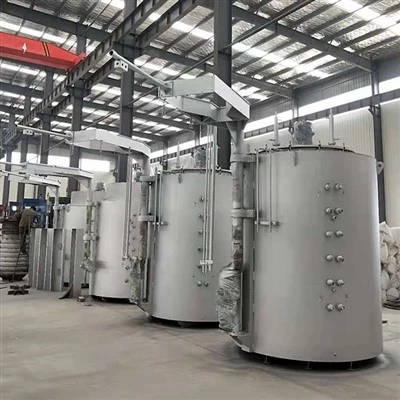
Don’t waste another month fighting a furnace that’s not built for your altitude. Let’s sort this out, get your production back on track, and stop throwing money away on fuel or replacement parts. That’s what I’m here for.
Box Furnace References
- Gas Engine Manufacturers Association. Altitude Adjustments for Combustion Systems. 2021
- Refractory Ceramics Association. Performance of Refractory Linings at Reduced Atmospheric Pressure. 2020
- International Melting Furnace Association. High-Altitude Casting Defect Mitigation. 2022
- ASM International. Thermodynamic Properties of Metals at Elevated Altitudes. 2019
Jiangsu Fangwei Furnace Industry Co., Ltd.
Jiangsu Fangwei Furnace Industry Co., Ltd. is one of the most professional melting furnace manufacturers and suppliers in China. With abundant experience, we are committed to providing high quality customized products with competitive price. Please feel free to buy advanced melting furnace made in China here from our factory.
Address: No.168, HuangNian Bridge, DaoShu Town, Danyang City, JiangSu Province, China
E-mail: fangwei@fwfurnaces.com
WebSite: https://www.fwfurnaces.com/
