Hey there, fellow DIYers, plumbers, and anyone who’s ever stared at a random rubber plug in their garage and wondered, “Wait, can this actually go in my plumbing?” I’m Mike, and if you’ve ever ordered rubber plugs from my supply business (or even just Googled “rubber plugs for pipes” at 2 a.m. because your sink is leaking), this one’s for you. I get questions about rubber plugs in plumbing every single day—sometimes from homeowners panicking mid-reno, sometimes from apprentice plumbers testing out a cheap fix that went sideways, and last week even from a guy trying to plug a pipe in his RV’s grey water tank on a cross-country road trip. Today, I’m breaking down the real, science-backed answer to: Can rubber plugs be used in plumbing systems? Spoiler: It’s not a straight yes or no, and there’s a lot more to it than you’d think. Rubber Plugs

First, let’s get one thing straight—most people think rubber plugs are just for sealing up test tubes or covering hardware holes when painting, right? Nope. In plumbing, they’re actually a unsung hero, but only when you use the right one for the job. I’ve seen too many folks grab a random rubber plug from their toolbox (say, a plug for a pool filter or a rubber stopper for a wine bottle) and jam it into a pipe, only to have it slip out under pressure or eat away from harsh chemicals. That’s where the mess starts.
Let’s talk about the science behind why rubber works for plumbing in the first place, because it’s not magic—it’s polymer science. Rubber (especially the stuff we make our plugs from, like EPDM, nitrile, and silicone) is an elastomer, which means it’s stretchy, durable, and forms a tight, hermetic seal when compressed against a rough or uneven surface. That’s perfect for pipes, which aren’t perfectly smooth—they have tiny imperfections from manufacturing, corrosion, or wear over time. When you push a properly sized rubber plug into a pipe, it expands slightly to fill those gaps, stopping leaks. But here’s the catch: not all rubber is created equal for plumbing.
Let’s start with the good stuff first, the cases where rubber plugs are 100% the right call. First up: temporary plumbing repairs. If you’re working on a pipe and need to seal it off temporarily to do soldering or fix a leak, a rubber plug is way easier than a pipe cap or epoxy. I’ve had homeowners use a 1-inch EPDM rubber plug to seal their basement sink drain while they replaced the faucet, and it held for 3 weeks with zero issues. Same goes for test plugs—plumbers use rubber test plugs all the time to pressure-test pipelines, storm drains, and sewer lines. The Rubber Manufacturers Association (RMA) actually has guidelines for this stuff, by the way—test plugs made from EPDM are rated to handle water pressures up to 150 PSI, which is way higher than the average home’s 40-80 PSI. That’s a big deal.
Another big use: sealing pipe ends during construction or renovations. When you’re building a new home, you don’t want sawdust, concrete, or trash getting into your new pipes before the walls go up. A silicone rubber plug that’s matched to your pipe size fits tight, keeps debris out, and can be pulled out easily later when you’re ready to connect the fixtures. I’ve had general contractors order 500 of these for a single home build, and they swear by them—way cheaper and faster than taping the ends with plastic, which always tears and leaves junk inside.
Now, let’s talk about the tricky part—when rubber plugs shouldn’t be used, because this is where most people go wrong. First, harsh chemical exposure. If you’re dealing with drain cleaners (the lye-based kind that eat through hair and grease) or industrial plumbing, regular rubber plugs like nitrile will break down fast. Nitrile is good for oil and fuel, but it can’t handle strong alkalis. That’s why we use EPDM for most plumbing—EPDM is resistant to lye, acids, and even the mild chemicals in most household drain cleaners, but it’s not great for strong solvents like turpentine or brake fluid. And silicone? Silicone is super heat-resistant (up to 500°F), which is good for hot water lines, but it can break down if it’s exposed to petroleum products over time. So mismatching the rubber type to the chemical is a recipe for a failed seal.
Size is another huge issue. I can’t tell you how many times I’ve had a customer send back a bag of plugs because they grabbed one that was too small or too big. If a plug’s too small, it doesn’t compress enough to seal—water will leak right around the edges. Too big, and you can’t get it in the pipe, or it expands so much it bursts, leaving rubber shavings in your line. The best way to measure? Use the actual inner diameter (ID) of the pipe, not the outer. A lot of people mix that up, and it’s a mistake. For example, a 1.5-inch pipe ID needs a 1.5-inch plug, not a 1.5-inch outer diameter one—trust me, I’ve seen that mess up a plumbing test that cost a plumber $800 in callbacks.
Also, long-term vs. temporary use. Rubber plugs are awesome for short-term fixes (weeks, months), but if you’re planning to leave a plug in a pipe for years, you’ve got to think about degradation from UV light, temperature fluctuations, and even the pipe material. PVC pipes, for example, get brittle over time, and a rubber plug pressed into a PVC pipe for 5+ years might be almost impossible to remove without cutting the pipe. For permanent seals, we always recommend rubber gaskets paired with pipe clamps or threaded plugs, not just a single rubber plug. But for stuff like temporary maintenance, seasonal use (like sealing outdoor hose bibs in winter), or testing, rubber plugs are totally fine for years if you pick the right material.
Wait, let’s get real about a common horror story I’ve heard a hundred times. A few months back, a plumber came to me panicking because he’d used a cheap generic rubber plug to seal a 3-inch sewer line while he fixed a broken main. The plug was made of cheap, low-grade rubber, not EPDM, and after two weeks, the sewer gas and the hot water from the building’s laundry line ate through it. The plug disintegrated, raw sewage backed up into the basement, and he had to replace the entire sewer line section. That’s why I always tell people: don’t skimp on the rubber plugs for plumbing. The cheap ones from the hardware store bin? They might say “rubber plug” but they’re made for craft projects, not pipes. Spend a little extra on plugs rated for plumbing use, and you’ll save yourself a ton of headache (and money on sewage clean-up).
Now, let’s get into a little science to back this up, because I don’t just run a plug supply business—I actually care if my stuff works. The key to a good plumbing rubber plug is compression set. Compression set is how much a rubber stays compressed after being squeezed for a long time. Plugs with high compression set (meaning they don’t spring back) form a permanent, tight seal. EPDM has really low compression set at room temperature, which is why it’s the go-to for most plumbing applications. Nitrile has good compression set too, but it’s only good for oil-based fluids, as I said before. Silicone has good heat resistance, but higher compression set when exposed to harsh chemicals, so it’s better for hot water lines where there’s no heavy chemical exposure. That’s all from ASTM International standards, by the way—those are the guidelines we use to make our plugs, so you know they’re tested.
Another use case I don’t see talked about enough: shut-off valves. Wait, can you use a rubber plug in place of a valve? Only temporarily, and only for low-pressure lines. I’d never recommend it as a permanent fix, but if your water main valve breaks and you need to turn off the water for an emergency, a properly sized rubber plug can work for a few hours until a plumber comes to replace the valve. But never leave that in long-term—you’ll forget it’s there, and when you remove it, you might crack the pipe.
What about different pipe materials? Let’s cover that, because not all pipes are the same. Copper pipes: their inner walls are smooth, so a rubber plug needs to have a little texture (or what we call “gripping ridges”) to keep it from slipping. That’s why our plumbing plugs have those little raised bands around the sides—they grip the pipe wall instead of sliding. PVC pipes: they’re smooth too, but they’re also rigid, so the plug needs to be a little softer to compress evenly. Cast iron pipes: they’re rough, so a slightly firmer plug works well, but you have to make sure it’s sized right because cast iron pipe IDs can vary a lot between old and new pipes. Oh, and galvanized steel pipes—they corrode over time, so the inner diameter gets smaller, which means you have to measure carefully or size up a little to get a good seal. I learned that the hard way when I sold a batch of plugs for old galvanized pipes that were too small, and the customer had to return them. Lesson learned: always measure twice, buy once.
Now, let’s bust a common myth: “Rubber plugs will leach chemicals into my drinking water.” That’s only true if you use the wrong plug! All plumbing-rated plugs for potable water are made from materials that meet NSF/ANSI Standard 61, which means they don’t leach harmful chemicals into water. EPDM and silicone plugs that are NSF 61 certified are totally safe for temporary or even long-term use in drinking water lines. The cheap craft rubber plugs? They’re not NSF certified, so you should never use them anywhere near drinking water. That’s a big one—health-wise, you’ve got to make sure your plug is rated for the job.
So, putting this all together, what’s the final verdict? Yes, rubber plugs can absolutely be used in plumbing systems—if you pick the right type, size, and grade of plug for your specific job. Temporary repairs, pressure testing, debris sealing during construction, and seasonal pipe maintenance are all perfect uses for well-made, plumbing-rated rubber plugs. But you can’t grab any random rubber plug from the garage. Skip the cheap generic ones, match the rubber material to the chemicals and temperature it’ll be exposed to, measure the inner diameter of the pipe (not outer!), and use the right plug for temporary vs. long-term needs. I’ve been in this business for 12 years, and I’ve seen countless plumbing jobs go way smoother because they used the right rubber plug. I’ve also seen a lot of nightmares from using the wrong one, so trust me on this part.
If you’re a homeowner who needs a plug for a quick sink repair, a plumber testing a sewer line, a contractor building a new home, or anyone else looking for plumbing rubber plugs, we’ve got you covered. We stock NSF-certified EPDM, nitrile, and silicone plugs in every size from ½ inch to 12 inches, so you can grab exactly what you need without guessing. No more running to the hardware store at 7 p.m. because the bin had the wrong size, no more cheap plugs that fall apart in a week.
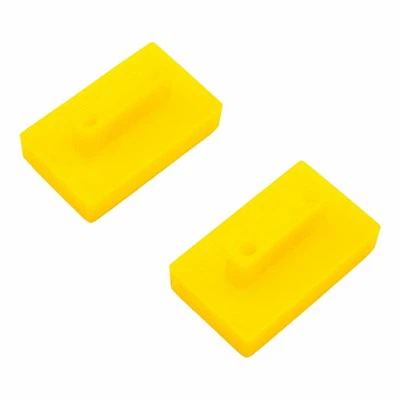
If you’ve got questions about which plug is right for your plumbing project—whether it’s a small drain repair, a big pressure test, or something in between—hit me up. I’m here to help, not just sell plugs. Whether you’re a seasoned pro or a DIYer who’s in over their head, I can walk you through sizing, material selection, and even how to install the plug correctly (pro tip: lubricate the plug with a little dish soap before pushing it into the pipe—makes it way easier and avoids tearing). Don’t risk a leak or a plumbing disaster because you picked the wrong rubber plug. Reach out to chat about your project, and we’ll make sure you get exactly what you need to get the job done right.
References
Rubber Extrusion Rubber Manufacturers Association. (2021). Guidelines for Elastomeric Pipe Plugs in Plumbing Applications. RMA Technical Bulletin 104.
ASTM International. (2020). Standard Test Method for Compression Set of Rubber Materials. ASTM D395.
NSF International. (2022). Standard 61: Drinking Water System Components – Health Effects. NSF/ANSI 61.
Haining Chaoyue Seals Co., Ltd.
As one of the most professional rubber plugs manufacturers and suppliers in China, we offer a wide range of products with superior quality. Please feel free to wholesale high quality rubber plugs made in China here from our factory. Also, custom service is available.
Address: Building 9, 158 Lianhong Road, Yuanhua Town, Jiaxing, Zhejiang, China.
E-mail: chaoyue@cyseals.com
WebSite: https://www.hncyseal.com/
