If you’re in the recycling, waste management, or even small business world, you’ve probably seen a waste baler at work—crushing piles of cardboard, plastic, or metal into neat, compact bales that are way easier to transport and recycle. But if you’re new to sourcing one, the sheer number of options can feel overwhelming. As someone who’s been supplying waste balers for years, I’ve helped hundreds of clients cut through the noise, so let’s break down the main types in plain, no-jargon terms. Waste Baler
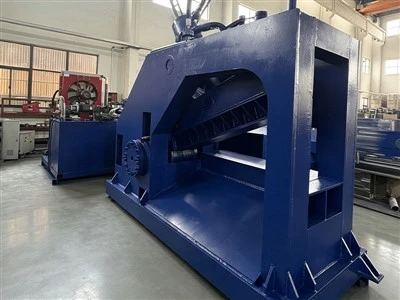
First, let’s get the basics straight: every waste baler does one core job—reduce the volume of waste so you’re not hauling empty space. The difference comes down to what type of waste you’re handling, how much space you have, and how much manual labor you want to put in. No two setups are the same, but here are the categories you’ll run into most often.
Horizontal Waste Balers
This is my go-to pick for most mid-sized to commercial operations, like grocery stores, retail chains, or recycling facilities that process large volumes of dry waste (think cardboard, plastic film, or aluminum cans). Horizontal balers are long, boxy machines that load waste into a chamber horizontally, then use a hydraulic ram to compress it into a bale, which is tied with wire or plastic strapping before ejecting.
Why are they so popular? For starters, they can handle way more waste than vertical balers—some models process up to 10 tons of cardboard a day, which is a game-changer for a store that generates 500+ lbs of cardboard a week. They also produce dense, uniform bales that recycling centers will pay top dollar for, because they’re easy to stack and transport without falling apart. I’ve seen a lot of small store owners skip horizontal balers at first, worried about the cost, but the savings on hauling fees alone pay for the machine in 12 to 18 months. A quick pro tip: if you’re dealing with plastic film, make sure to get a horizontal baler with a pre-shredder attachment—film can wrap around the ram and jam the machine if you don’t prep it first.
Vertical Waste Balers
If you’re a small business, like a local café, doctor’s office, or boutique retail shop, a vertical baler is probably the right fit. These are smaller, stand-up machines that you load waste into from the top or front, then push a pedal or flip a switch to activate the hydraulic ram. They’re way more compact than horizontal models, so they fit in a back room or storage closet without taking over your whole space.
Vertical balers handle lighter dry waste—cardboard, paper, thin plastic bottles, even fabric scraps. They produce smaller bales, usually around 2’ x 3’, which means you don’t need a big truck to haul them. The downside? They’re less labor-efficient: you have to load the waste a little at a time, and bales aren’t as dense as what a horizontal baler makes. But for a small shop generating 50 lbs or less of cardboard a week, they’re perfect—way cheaper than a horizontal, and way better than hauling loose cardboard to the dump every other day. I also love that a lot of vertical balers are electric, so no messy hydraulic lines or extra maintenance.
Automatic vs. Semi-Automatic Balers
Wait, that’s another split I should mention—how the machine actually runs. Automatic balers are the top tier for high-volume operations. Once you load the chamber (usually with a conveyor belt), the machine does everything: compresses the waste, ties the bale, and ejects it on its own. No manual labor except loading the waste. These are ideal for big recycling centers or manufacturing plants that generate 20+ tons of waste a month. They’re faster, less labor-intensive, but more expensive upfront.
Semi-automatic is the middle ground. You load the waste, activate the compression cycle, and then you have to tie the bale manually before ejecting it. Most horizontal balers are semi-automatic, and that’s fine for mid-sized operations—you only need one person to load and tie, which is way cheaper than hiring a full team. I always tell clients: don’t spring for automatic unless you’re already stretched thin on labor, otherwise it’s overkill.
Waste-Specific Balers
Here’s where it gets niche, and this is where matching the machine to your waste makes all the difference. Generic balers work for mixed dry waste, but if you’re dealing with certain materials, you need a baler built for that job.
- Cardboard Balers: These are designed for corrugated cardboard, which is stiff and bulky. A dedicated cardboard baler has a wider chamber to fit large sheets, and stronger rams to compress it tight. I’ve seen people try to use a plastic baler for cardboard, and it just doesn’t get dense enough—recyclers won’t pick it up for a good price.
- Plastic Balers: Plastic comes in all forms—PET bottles, plastic film, rigid plastic containers. Dedicated plastic balers have different pressure settings. For plastic film, you need a baler with a larger capacity to handle bulky, lightweight material, while rigid plastic needs more compression force to make solid bales. A lot of clients mix plastic and cardboard, but make sure the baler can handle the specific type of plastic you’re using.
- Metal Balers: If you’re dealing with aluminum cans, steel scrap, or copper wire, a metal baler is the way to go. These have super high hydraulic pressure (sometimes up to 100 tons) to crush dense metal into tight bales. Metal bales are valuable, so having a dedicated metal baler means you’re not wasting time compressing other waste that doesn’t need that much force. I’ve seen small scrap yards use vertical metal balers, while bigger operations use horizontal models.
- Textile Balers: For clothing stores, thrift shops, or manufacturing plants that generate fabric scraps, textile balers are built to handle soft, bulky material. They have a larger chamber and adjustable ties to keep fabric bales from coming undone. A lot of thrift stores use these to send bales of clothing to textile recyclers, and they cut down on hauling costs a lot.
Compactors vs. Balers? Wait, No—Let’s Clear Up the Confusion
A lot of people mix up waste compactors and balers, so I should set that straight. Compactors are smaller, usually for wet or organic waste—like food scraps, paper towels, or general trash. They compress waste into a bag or container, but they don’t tie it into a solid bale that can be stacked or sold. Balers, on the other hand, compress dry waste into uniform, sellable bales. If you’re recycling cardboard or plastic, you need a baler. If you’re just trying to cut down on the number of trash bags in your back room, a compactor works, but it’s not the same thing.
What Should You Actually Pick?
I get asked this all the time, and here’s the simple rule: match the baler to your volume and waste type. If you’re a small business generating less than 100 lbs of dry waste a week: go with a vertical baler. If you’re mid-sized, generating 100 to 500 lbs a week: a horizontal semi-automatic is your sweet spot. If you’re a high-volume operation, automatic is worth it if you can afford the upfront cost.
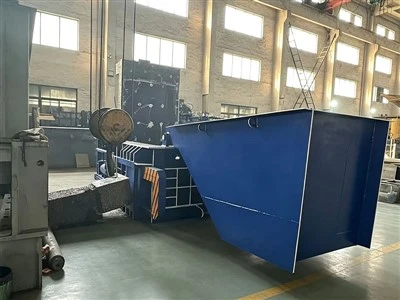
Also, don’t sleep on maintenance. No matter which type you get, a little regular upkeep goes a long way. I always tell clients to check the hydraulic lines monthly, keep the chamber clean so waste doesn’t jam, and replace strapping on a schedule. A well-maintained baler will last 10+ years, which makes that initial investment way worth it.
Alligator Shear If you’re still not sure which type is right for you, that’s what I’m here for. I’ve worked with everything from a 5-person boutique to a 100,000 sq ft manufacturing plant, and I can help you pick a baler that fits your space, budget, and waste needs. No sales pitches, no pushy upsells—just straight info to help you make the best call.
References
- Environmental Protection Agency (EPA). (2022). "Recycling and Waste Reduction Guidelines for Commercial Facilities."
- National Recycling Coalition (NRC). (2021). "Cost-Benefit Analysis of Waste Balers for Small to Mid-Sized Businesses."
- Hydraulic Press Manufacturing Association. (2023). "Standard Specifications for Horizontal and Vertical Waste Balers."
- Institute of Scrap Recycling Industries (ISRI). (2022). "Guide to Bale Density Requirements for Recyclable Materials."
Jiangyin Hangli Technology Co., Ltd.
Jiangyin Hangli Technology Co., Ltd. is one of the most professional waste baler manufacturers and suppliers in China. We are committed to providing high quality custom service and OEM service with low price. We warmly welcome you to buy high-performance waste baler for sale here from our factory. Also, pricelist is available.
Address: No. 11, Louxia Road, Zhouxi Village, Zhouzhuang Town, Jiangyin City, Wuxi City, Jiangsu Province, China
E-mail: sherry@hanglimachinery.com
WebSite: https://www.hanglirecycling.com/
