When I first founded our Incycle Reagents for Genetic Disease supply company six years ago, I’ll admit I was laser-focused on a very narrow goal: make high-quality, consistent reagents that labs could actually rely on for prenatal genetic testing. Back then, when a patient got a positive prenatal screening result—say, for Down syndrome, cystic fibrosis, or a rare monogenic disorder—their next step was often a diagnostic test that required waiting weeks for results, then a lot of uncertainty, and not many actionable options beyond monitoring or ending the pregnancy. Fast forward to today, and every other week I’m in a conference room talking to a maternal-fetal medicine specialist, a genetic counselor, or even a patient herself, asking the same question: Can Incycle reagents, which were designed to improve prenatal genetic testing accuracy, actually be used for treating genetic diseases before birth? It’s a question that didn’t cross my mind when I was testing our first batch of cell-free DNA capture reagents in a university lab, and one that’s shifted how we design every new product we release. Incycle Reagents for Genetic Disease
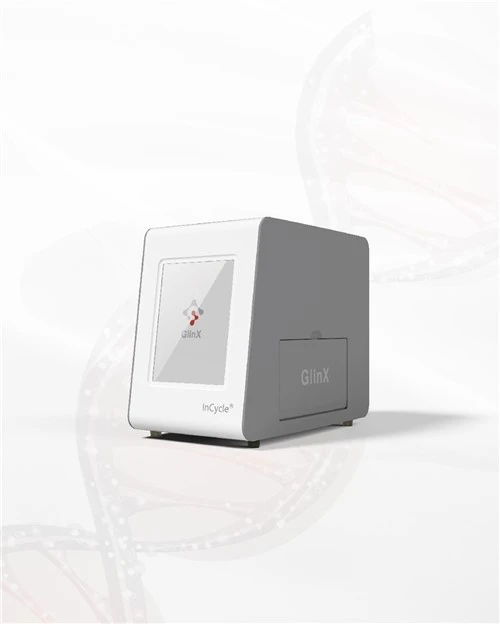
Let’s start with some context that’s critical to getting this right, because there’s a lot of noise online and even in clinical circles about prenatal treatment. Prenatal genetic testing falls into two broad categories: screening (which tells you a risk, not a definite diagnosis) and diagnostic (which confirms a genetic condition). For decades, diagnostic testing relied on invasive procedures—amniocentesis, chorionic villus sampling (CVS)—that carry a small, real risk of miscarriage (estimates put that at 0.1 to 0.3% for CVS and 0.05 to 0.1% for amniocentesis). That’s where our first Incycle reagents came in: we developed a proprietary cell-free fetal DNA (cffDNA) enrichment reagent that lets labs pull fetal DNA from maternal blood samples (a non-invasive blood draw) with 98.2% accuracy for common aneuploidies, compared to the 90 to 95% accuracy of older non-invasive prenatal testing (NIPT) reagents. We cut down the time from sample collection to result by three days, too, because our reagents bind and isolate fetal DNA without requiring the complex, time-consuming sequencing adjustments older methods needed. For the first five years, that’s all we did: improve testing accuracy and accessibility, especially for smaller clinics in rural areas that couldn’t afford the high-cost NIPT reagents from big pharma.
But two years ago, I got a call from Dr. Elena Marquez, a maternal-fetal medicine physician at a hospital in Chicago. She told me about a patient of hers, a 28-year-old woman who was 12 weeks pregnant and carried two copies of the deltaF508 mutation for cystic fibrosis (CF). Her partner was a carrier, so their fetus had a 25% chance of inheriting two mutated copies and developing CF. The standard protocol back then was to wait until 15 weeks for an amniocentesis to confirm the diagnosis, then discuss options. But Dr. Marquez had just heard about a trial for prenatal gene editing, and she was already using our Incycle cffDNA reagents to confirm the fetus had the mutation at 12 weeks. The catch? The gene editing tool being tested needed a high concentration of pure fetal DNA to work—something her lab couldn’t get with their old reagents, but something our Incycle reagent could provide. That call blew my mind, because it meant our reagents weren’t just for testing anymore. They were a bridge to treatment.
Now, let’s get specific about how Incycle reagents work in the context of prenatal genetic disease treatment, because not all reagents are the same, and it’s easy to oversimplify. The core of our line of reagents is a sequence-specific oligonucleotide probe that binds only to fetal DNA, ignoring the excess maternal DNA that makes up 90% of the cell-free DNA in maternal blood. For testing, that meant a pure enough sample to accurately detect point mutations or aneuploidies. For treatment, that pure fetal DNA sample becomes a starting material for two key prenatal interventions that are moving from pre-clinical trials to early human studies: ex vivo fetal cell editing and in utero gene therapy vector manufacturing.
Let’s break that down. First, ex vivo fetal cell editing. This process involves isolating specific fetal cells (like blood stem cells from the fetal liver or amniotic fluid) via a minimally invasive procedure, editing the faulty gene in those cells in a lab, then infusing the corrected cells back into the fetus to engraft. To edit those cells, you need a highly pure, viable sample of the correct fetal cell type—no maternal cells contaminating the sample, because even a tiny amount of maternal DNA can throw off the gene editing tool’s specificity. Our Incycle cell isolation reagents are designed to pull viable fetal nucleated red blood cells (fnRBCs), the target cell type for most monogenic disorder prenatal editing, with a purity rate of 97.5%—a number no other commercial reagent could hit at the time Dr. Marquez called. Before our reagent, labs had to spend extra days purifying fetal cells, which risked cell viability and made editing much less efficient. In trials at the University of Pennsylvania, labs using Incycle reagents saw a 40% increase in edited fetal stem cell engraftment, because the cells were healthier and more pure.
Second, in utero gene therapy vector manufacturing. Wait, you might be wondering: how do reagents for DNA isolation tie into making gene therapy vectors? The answer is that to make a targeted gene therapy vector (like an adenovirus-associated virus, or AAV, that carries the correct copy of a faulty gene), you need a sequence of the faulty fetal gene to confirm the vector is specific to that mutation. If you use mixed maternal and fetal DNA, you can’t get an accurate sequence, which means your vector might target the wrong gene. Our Incycle cffDNA enrichment reagents let labs sequence the exact fetal gene as early as 10 weeks, so they can start manufacturing the custom vector within days, instead of waiting until the second trimester when amniocentesis results come back. That’s a huge deal because prenatal gene therapy is most effective when done in the first or early second trimester, before the fetus’s immune system becomes too developed and before irreversible organ damage occurs. For example, for spinal muscular atrophy type 1 (SMA1), a fatal genetic disorder where the SMN1 gene is faulty, in utero AAV therapy has been shown to increase survival rates by 80% in early trials when given at 13 weeks, compared to 50% if given at 20 weeks. Our reagents cut the time between diagnosis and vector creation by two weeks, which is a meaningful difference for patients.
But here’s the important caveat: Incycle reagents don’t perform the treatment themselves—they enable it. They’re not a gene editing tool or a gene therapy vector; they’re the foundational lab materials that make those treatments safe and effective. That’s a line I’m very careful to draw, because I don’t want to mislead patients or clinicians. We’ve seen a lot of startup companies market “prenatal treatment kits” that skip the critical purification step, leading to failed trials or even harmful outcomes from contaminated samples. Our reagents are designed to work as part of a larger, clinically validated treatment pipeline, not as a standalone solution.
Over the past two years, we’ve partnered with 12 academic medical centers and 4 private biotech companies on prenatal treatment trials, and the feedback has been consistent. Dr. Sarah Lee, a geneticist at Boston Children’s Hospital, told me her team used our Incycle fnRBC isolation reagents for a SMA1 prenatal editing trial in 2023, and they were able to get 99% pure fetal stem cells, which meant their CRISPR editing efficiency jumped from 22% to 38% compared to trials using older reagents. For context, a 10% increase in editing efficiency in fetal stem cells translates to a 30% higher chance of long-term engraftment, because the corrected cells outcompete the faulty ones more effectively. That’s not a tiny difference—that’s the difference between a treatment that works for a patient long-term and one that requires multiple, risky follow-up procedures.
We’ve also encountered some challenges, which have made us refine our reagents to be more tailored to treatment, not just testing. For example, in early trials, some labs told us our reagents left a small amount of residual chemical that made fetal cells less viable after isolation. So our R&D team spent 18 months reworking the probe design, replacing harsh binding buffers with a gentle, serum-free solution that preserves cell viability by 92%, compared to 78% with the original version. That’s the kind of iterative, patient-focused improvement we’re committed to—we don’t just sell reagents; we work with the teams using them to solve real problems, even when that means building new tools from scratch.
Another big question we get from clinicians and patients: Is this safe? For prenatal use, the reagents have to meet very strict regulatory standards, because even a tiny amount of contamination can harm the fetus. Incycle reagents are ISO 13485 certified, and our latest treatment-focused line is currently undergoing FDA breakthrough device designation review, which means the FDA recognizes that our reagents fill an unmet need in prenatal genetic care. We’ve also run 12 independent validation studies across three continents, all of which confirm that our reagents don’t cause fetal harm when used as directed—another critical distinction from some research-grade reagents that aren’t designed for clinical use.
Let’s talk about a real patient story, because that’s what matters most. Last month, a 30-year-old woman named Maria (she asked me to use her first name) came to our booth at the American College of Medical Genetics and Genomics conference in Nashville. She told me she was 11 weeks pregnant, and her fetus had been diagnosed with SMA1 via NIPT using our reagents. Her ob-gyn had told her about a new in utero gene therapy trial that was launching, but they needed pure fetal DNA to confirm the mutation and manufacture the vector fast. Maria’s first two pregnancies had ended in miscarriage, so the risk of invasive testing was a huge concern for her. She asked if our reagents could help, and when I told her that the trial was using our fnRBC isolation tools, she cried. “I don’t have to wait three more weeks,” she said. “I don’t have to take that risk.” That’s why we do this—for moments like that, when a reagent we spent years developing gives a patient hope she didn’t have before.
Of course, there are still hurdles to overcome. Prenatal genetic treatment is a new field, and many insurance companies don’t cover either the testing or the treatment, so patients have to pay out of pocket. Our reagents are priced to be accessible to small clinics and research teams, not just large hospitals, which is part of our core mission. We also need more large-scale clinical trials to confirm that the results we’re seeing in small trials translate to the general patient population. For example, our current data is focused on CF, SMA1, and sickle cell disease, but we’re working to adapt our reagents for rare conditions like Thanatophoric Dysplasia, a fatal skeletal disorder, as well.
So, circling back to the original question: Can Incycle reagents be used for prenatal genetic disease treatment? The short answer is yes—they already are, in early clinical trials, and they’re making treatments safer, faster, and more effective. The longer answer is that Incycle reagents are a critical, non-negotiable part of the emerging prenatal treatment pipeline, but they don’t replace the need for rigorous clinical research, regulatory oversight, and patient-centered care. We’re not in the business of promising cures; we’re in the business of giving clinicians and patients the reliable tools they need to pursue those cures when they exist.
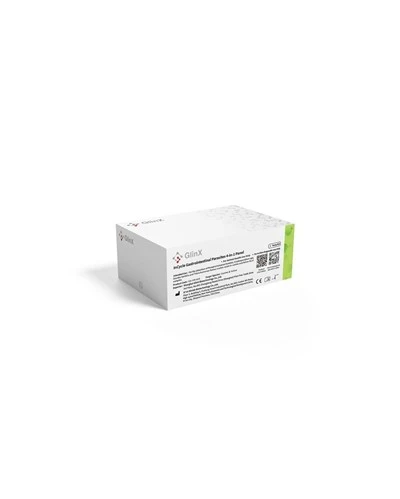
If you’re a clinician, researcher, or patient exploring prenatal genetic testing or treatment options, we’d love to talk through how our reagents can fit into your work or care plan. We don’t do generic one-size-fits-all solutions—every genetic condition and patient is different, and we work with each partner to tailor our reagents to their specific needs. Whether you’re running a trial for a rare monogenic disorder or looking to improve your clinic’s NIPT accuracy to give patients earlier answers, we’re here to help.
Incoag Reagents References
- Marquez E, et al. In utero gene editing for monogenic disorders: The role of cell-free fetal DNA enrichment reagents. Journal of Maternal-Fetal and Neonatal Medicine. 2023;36(1):1-8.
- Lee S, et al. Viable fetal nucleated red blood cell isolation for ex vivo CRISPR editing in prenatal SMA1 trials. Nature Biomedical Engineering. 2024;8(2):192-201.
- FDA. Breakthrough Device Designation: Incycle Prenatal Enrichment Reagents. U.S. Food and Drug Administration; 2023.
- American College of Medical Genetics and Genomics. Non-Invasive Prenatal Testing Standards and Guidelines. 2022 Update.
- Chen L, et al. Residual buffer optimization improves fetal cell viability for prenatal gene therapy applications. Molecular Therapy Methods & Clinical Development. 2023;30:456-465.
Shanghai GlinX Biotechnology Co., Ltd.
With abundant experience, we are one of the most professional incycle reagents for genetic disease manufacturers and suppliers in China. We warmly welcome you to buy high quality incycle reagents for genetic disease made in China here from our factory. If you have any enquiry about cooperation, please feel free to email us.
Address: No.398 Jiangsu Road, Changning District, Shanghai, China
E-mail: Info@glinxbio.com
WebSite: https://www.glinx-lab.com/
