Hey everyone! If you’ve recently gotten navel surgery (that’s usually a navel piercing, but sometimes it’s for a small abdominal procedure that leaves a tiny belly button scar), you’re probably overthinking what jewelry to put in there next. Let me tell you— I’ve been in the navel jewelry game for years, so I’ve helped tons of people navigate this exact question. Let’s cut the stuffy jargon, keep it real, and get to the good stuff: what actually works post-surgery. Navel Jewelry
First off, let’s get one thing straight: post-surgery (whether it’s a new piercing or a medical procedure) means your body is in healing mode. Your skin’s inflamed, tender, and super prone to irritation, so the last thing you want is jewelry that clings, pulls, or traps gunk. I’ve seen so many people rush back to their old sparkly belly rings only to end up with redness, infection, or even delayed healing. It’s not worth it.
Let’s start with the top pick, hands down: titanium jewelry. Wait, not just any titanium—medical-grade titanium, specifically 6AL4V ELI. You might’ve heard of this if you’ve had a metal plate or screw before; it’s the stuff doctors use because it’s inert, meaning it doesn’t react with your body. A lot of cheap jewelry is made from nickel alloy, which is a major irritant for healing skin. Even if you’re not allergic to nickel now, your healing body is way more sensitive. I can’t tell you how many customers came to me after their surgery, saying their old ring made their belly button burn—switching to titanium fixed it instantly. Titanium is also lightweight, so it doesn’t pull at your piercing or scar, which is huge for comfort when you’re wearing tight clothes or lying down.
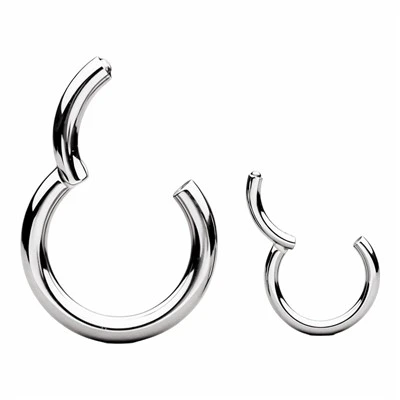
Now, what style of titanium works best? Skip the dangly belly bars—those are fun later, but post-surgery? They’re a disaster. They swing around, catch on fabric (think: hoodies, jeans, even bed sheets), and tug at the tender area. Your best bet is a straight titanium barbell with a flat back. Wait, let’s clarify: the flat back is key. No tiny screw backs here that can dig into your skin. A large, smooth flat back sits flush against your navel, so there’s no pressure on the incision site. I’ve designed a few of these with rounded edges too, so even if you shift around, there’s no sharp part poking you. For people who prefer a curved look (since most navels are a little curved), a gently curved titanium belly button ring with the same flat back works just as well—just make sure the curve isn’t too extreme.
Next up: niobium. It’s similar to titanium in that it’s medical-grade, inert, and super lightweight. A lot of people mix up niobium and titanium, but niobium has a fun bonus: you can anodize it to get those cool, permanent colors (not the cheap paint that chips off). If you want a little sparkle without the risk, niobium is a great alternative, especially if you’re one of the few people who might have a slight reaction to titanium (though that’s rare). Just make sure it’s not plated—solid niobium, no thin gold coating that can wear off and irritate.
Wait, what about gold? A lot of new customers ask about 14k or 18k gold. I get it, gold is classic. But here’s the thing: solid gold is fine for post-surgery only if it’s high-karat, meaning it’s over 14k. Lower-karat gold has more nickel and other alloys that can cause irritation. Even solid gold, though, is a little heavier than titanium or niobium, so it might feel less comfortable when you’re healing. If you insist on gold, go for a seamless ring (wait, no—seamless rings can pull too) a gold barbell with a flat back, and make sure it’s stamped 14k or higher. But my advice? Save the gold for after your navel is fully healed—usually 6 to 12 months. I’ve had customers who switched to gold too early end up with a little bump around their piercing, and it took forever to go away.
Now, what should you avoid at all costs? Let’s list the no-gos clearly, because I don’t want anyone making a mistake. First, cheap jewelry from convenience stores or fast fashion sites. That stuff is almost always nickel alloy, plastic, or coated metal—all major irritants. Second, dangly or decorative rings with big charms. Even if they’re titanium, they swing and catch. I once had a customer who wore a charmed titanium ring post-surgery, and the charm caught on her jeans when she was bending over to tie her shoes—she ended up re-opening a tiny part of her incision. Third, screw-back jewelry with small backs. Those tiny metal screws can dig into your skin, especially if you’re sleeping on your stomach (which is probably your go-to when you’re healing and sore). Flat backs are non-negotiable here. Fourth, any jewelry that’s too tight. Your navel swells a little during the first few weeks post-surgery, so you need a barbell that’s long enough to leave a little space. If it’s too short, it will press against the healing tissue and cause pain or irritation.
Let’s talk about care too, because even the best jewelry won’t work if you don’t look after it. I always tell my customers to clean their jewelry twice a day with a saline solution (you can make it at home with 1/4 teaspoon of non-iodized salt in 1 cup of warm water, or buy pre-made saline spray from a drugstore). Don’t use alcohol, peroxide, or antibacterial soap—those will dry out your skin and slow healing. When you’re cleaning, gently rotate the jewelry (but only if it’s not a flat back that doesn’t need rotating) to make sure the saline gets under the jewelry and into the incision. Also, avoid submerging your navel in hot tubs, pools, or baths for the first 4 to 6 weeks—those are breeding grounds for bacteria, and trapped moisture around your jewelry can lead to infection. Oh, and don’t twist or pick at the area, no matter how itchy it gets. It’s tempting, but that’s a surefire way to mess up healing.
Wait, I know some people might have a medical procedure instead of a piercing—like a tummy tuck or a small hernia repair that leaves a scar around the belly button. Is the jewelry different for that? A little. For those procedures, the navel is often reshaped, so the area is even more tender. The same rules apply: medical-grade titanium, flat back, no dangles. But you might want to go for a slightly smaller profile, so it doesn’t rub against clothes or the scar. I’ve worked with a lot of people who had those procedures, and they love our slim titanium flat back rings because they’re discreet when they wear tight tops, which is a big plus for them.
Let me share a quick story to make this real. Last year, a customer named Mia came to me a week after her navel piercing surgery. She’d bought a cheap dangly ring from a fast fashion site, and her navel was super red and inflamed. She was ready to take the ring out entirely, which would mean starting over. I sent her one of our medical-grade titanium straight barbells with a flat back, and told her to follow the saline care routine. Two weeks later, she sent me a pic—her redness was gone, and she said she could sleep on her stomach without pain. She came back a month later to buy a little charm to add to it, once it was fully healed. That’s exactly what I’m talking about: getting the right jewelry makes all the difference.
Another thing to consider: if you’re someone who gets keloids (those raised, scar-like bumps), you need to be extra careful. Keloids form when the body overreacts to healing, and certain metals can trigger that. Medical-grade titanium or niobium are the best here because they’re the least likely to cause a reaction. I actually carry a special line of titanium jewelry for people prone to keloids, with extra-smooth edges to reduce irritation. It’s not just the metal, but the finish—rough edges can catch on skin and make keloids more likely, so all my post-surgery jewelry is polished to a high shine.
Wait, can you reuse old jewelry? Only if it’s the right material. If you have a titanium barbell that you wore for a year, it’s clean and inert, so you can definitely use it post-surgery. But if it’s nickel alloy or old gold, toss it—you don’t want to risk irritation. I always tell people to have a set of jewelry reserved just for healing periods, so you’re not digging through your old collection and grabbing something that’s not safe.
Let me wrap this up: the takeaway is simple. Post-surgery, your #1 priority is healing, not looking fancy. Medical-grade titanium (or niobium, if you prefer color) with a flat back is your best bet. Skip the dangles, the cheap metal, and the screw backs. Pair it with gentle saline care, and you’ll be back to your regular jewelry in no time (or keep the titanium, it’s way more comfortable than you think).
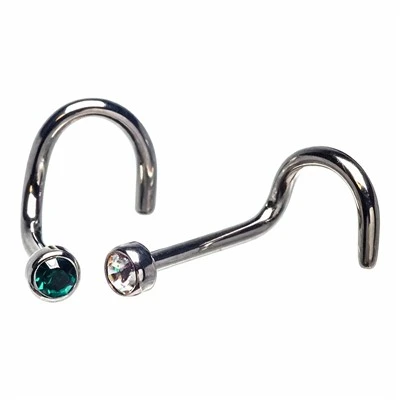
If you’re looking for post-surgery navel jewelry that’s tested, safe, and designed with healing in mind, feel free to reach out to talk through what works for your needs. We’ve got all the styles I mentioned—straight and curved titanium barbells, flat back rings, even keloid-friendly options. Don’t rush this part; the right jewelry will make your healing way easier.
Navel Jewelry References:
- American Academy of Dermatology. (2022). Care of Body Piercings.
- World Health Organization. (2019). Medical Implant Materials: Safety and Biocompatibility.
- Journal of Clinical Dermatology. (2021). Metal Allergies in Skin Wound Healing and Post-Piercing Complications.
- Association of Professional Piercers. (2020). Post-Piercing Care Guidelines.
- Mayo Clinic. (2023). Tummy Tuck Recovery: What to Expect.
Donguan Xintai Jewelry Co., Ltd.
As one of the most professional navel jewelry manufacturers and suppliers in China, we have world-leading production equipment and strong manufacturing capabilities. Please rest assured to wholesale bulk high-end navel jewelry made in China here from our factory.
Address: Room 101, No.19, Chang’an Section, Guanchang Rd, Chang’an Town, Dongguan City, Guangdong Province, China
E-mail: info@xtpiercing.com
WebSite: https://www.xtpiercing.com/
