Hey everyone, it’s Sam from the load switch team here – thanks for popping by! If you’ve ever worked with power distribution, you know load switches are the quiet workhorses that keep everything from your desktop setup to industrial assembly lines running smooth. They handle the job of turning power on and off to loads safely, preventing overloads and short circuits, but like any part, they mess up sometimes. After years of field calls, customer troubleshooting sessions, and digging through our own warranty data, I’ve seen every common load switch failure first-hand. Today I’m breaking down the most frequent issues, why they happen, and what you can do to avoid them – especially if you’re working with our products (we fix most of these, but you gotta know what to watch for). Load Switch
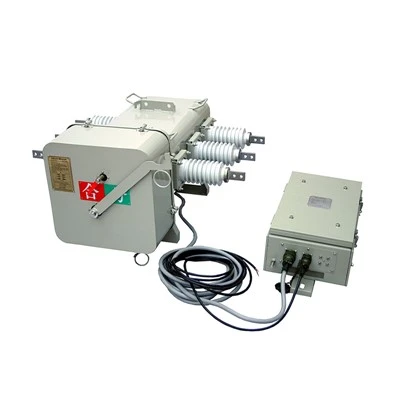
First up, contact arcing and wear, and let’s get real – this is the #1 culprit we see, no debate. For anyone who doesn’t geek out over circuit parts, load switch contacts are the metal bits that actually carry current when the switch is closed, and separate when it’s open. Every time you flip it on or off, electricity jumps the tiny gap between those contacts a little – that’s arc flash, right? Over time, that small arc doesn’t just vanish; it burns tiny pits in the metal, melts off a little material each time, and even creates a crusty residue on the contact surfaces. We once had a food manufacturing client call us panicking at 2 a.m. because their packaging line was dead – turns out the load switch on their conveyor had been cycling 50 times an hour nonstop for three years, and the contact pits had gotten so bad they couldn’t make a solid connection. The worst part? A lot of folks think “higher-rated load switches = no problem,” but that’s only half true. If you’re cycling a switch way more than it’s rated for (think: 10,000 cycles max vs. 50,000 actual daily cycles), even a “heavy-duty” switch will wear out fast. Pro tip from our techs: if you’re switching loads more than 10 times per hour, reach for our load switches with gold-plated contacts instead of standard silver ones – gold’s way more resistant to pitting and lasts 10x longer.
Next, thermal overloading, and this one sneaks up on people hard. Load switches have a specific current rating they can handle continuously, but way too often guys cram way more amps through them than they were designed for, either by accident or because they thought “it’s close enough.” Heat is the silent killer here. When current exceeds the rated limit, the contact surfaces warm up, expand, and create a looser fit – which makes more heat, and it’s a vicious cycle. We’ve had automotive parts plants where someone replaced a 15A switch with a 20A one to “be safe,” not realizing their line actually needed 18A, and that 2A overage caused the switch’s internal wiring insulation to melt after six months. The insulation breakdown doesn’t just mess up the switch – it can arc internally and cause a fire, which is exactly what happened to that plant last year. Another thermal issue? Poor installation. If you cram the switch into a tight enclosure without letting air circulate, or use loose wire terminals, that creates extra resistance, which creates extra heat. We always remind customers to leave at least an inch of clearance around the switch for airflow, and to torque terminal screws to the exact spec in the manual (not tighter, not looser – we see way too many people overtighten and crack the housing).
Then we have mechanical failure of the actuator – that’s the part you flip or press to turn the switch on/off. This might sound simple, but it’s super common, especially in industrial environments where switches get manhandled. Think about it: a switch on a factory floor that workers hit with a pallet jack, or exposed to dust, moisture, and vibration all day, every day. The actuator’s internal lever, spring, or even the plastic housing can wear out, break, or get stuck. I remember a construction site client who had 12 load switches on their power distribution board for temporary tools – after three months, half of them wouldn’t stay on because the actuator spring had rusted from rain and dust. For outdoor or harsh environment use, our sealed load switches are a must – they keep out moisture and debris, so the actuator doesn’t jam or corrode. Another mechanical fail: loose internal connections. Vibration over time can shake the wires inside the switch loose, so even if the actuator works, no power gets to the load. We recommend doing a quarterly check of all switches in high-vibration environments, just to make sure nothing’s shifted.
Corrosion and environmental damage are next, and this is a big one for guys working in extreme conditions – coastal areas, chemical plants, cold storage, anywhere with moisture, salt, or chemicals. Load switches that aren’t rated for harsh environments will see their metal parts corrode over time. Salt from ocean air eats away at contacts, ammonia from refrigeration units eats through housing materials, and dust from mining sites gets into every tiny crevice. We had a seafood processing plant in Florida come to us last year – their old switches were failing every 6 months because the salt spray corroded the contact surfaces, and even their “waterproof” switches didn’t have proper sealing. Our NEMA 4X rated load switches are designed specifically for that – they’re sealed tight, made with corrosion-resistant materials, and can handle being hosed down or exposed to salt air no problem. The kicker here? A lot of cheap off-brand switches cut corners on sealing, so they look waterproof but aren’t. Always check the IP rating (Ingress Protection) – IP66 means dust-tight and powerful water jets, which is what you want for most harsh environments.
Wait, let’s not forget control circuit failure – that’s the part that controls the load switch, right? A lot of people think the problem is the main switch, but it’s actually the smaller control wires or the solenoid that triggers the switch to open/close. If the control circuit has a short, or a loose wire, or even low voltage, the switch won’t engage properly. We had a solar farm client call us once complaining that their load switch was “stuck in the off position” – we showed up and tested the control circuit, and found a mouse had chewed through the control wire, so the switch never got the signal to turn on. That’s not a switch defect, that’s environmental damage to the control wiring, but it’s a common issue that gets blamed on the switch itself. Another control circuit fail: voltage spikes. If your system has lightning strikes or other power surges, the control components can get fried, so the switch won’t function. We build surge protection into most of our industrial load switches for exactly that reason, but if you have a sensitive system, adding a separate surge protector for the control circuit is a smart move.
Now, let’s talk about what you can actually do to prevent these failures, because knowing the problem is half the battle. First, match the switch to your load and cycle count. Don’t grab a random switch off the shelf – calculate your maximum continuous current, your average cycle count per hour, and the environment it’s in. We have a quick tool on our website (no link, just ask us!) to help you spec the right switch, but if you have doubts, our tech support team is on call 24/7 for customers. Second, install correctly. Torque terminals properly, leave airflow clearance, use the right wires (we see people use too-thin wires that overheat), and seal any entry points if mounting outdoors. Third, regular maintenance checks – every 6 months, especially for industrial or harsh environment setups. Wipe down switches, check for loose wires, test for continuity, and replace any switches that show signs of wear (like pitted contacts or a loose actuator).
And hey, if you’ve had any of these issues, or you’re not sure if your current load switches are up to par, feel free to reach out to our team to talk through your setup. We’ve got solutions for every common problem, and we’re always happy to help you avoid downtime, which is the worst part of any equipment failure.
High Voltage Disconnector References
- Electrical Apparatus Service Association (EASA). Common Power Switch Failures and Mitigation Strategies. 2022.
- National Electrical Manufacturers Association (NEMA). Load Switch Rating Standards and Environmental Protection Guidelines. 2021.
- International Electrotechnical Commission (IEC). Ingress Protection (IP) Rating for Switchgear. 2020.
- Industrial Maintenance & Plant Operation (IMPO). Predicting and Preventing Load Switch Failures. 2023.
Zhongtai Electric Power Technology Co., Ltd.
With abundant experience, we are one of the most professional load switch manufacturers and suppliers in China. We warmly welcome you to wholesale bulk customized load switch from our factory. If you have any enquiry about quotation, please feel free to email us.
Address: High-tech Industrial Park, Chongren County, Fuzhou City, Jiangxi Province (No. 261 Yingbin Avenue)
E-mail: info@zhongtaielectric.com
WebSite: https://www.zhongtaipower.com/
