If you’ve ever used a latex makeup sponge that felt stiff, crumbly, or barely absorbedent enough to hold even a drop of liquid foundation, you know how frustrating it is to spend money on a tool that doesn’t deliver. As a latex makeup sponge supplier with years in the industry, I’ve worked with hundreds of makeup artists, beauty enthusiasts, and small business owners who come to me with the same question: How do I make my latex makeup sponges more absorbent? It’s not a trivial question—absorption is what makes a makeup sponge work, after all. Too little absorption, and your foundation sits on top of the sponge rather than blending seamlessly onto your skin. Too much, and the sponge pulls too much product, leaving you with streaks and wasted foundation. Latex Makeup Sponges
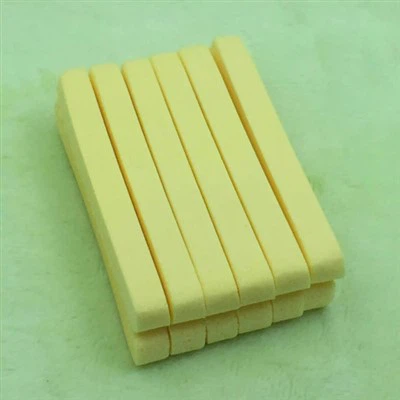
First, let’s break down what makes latex makeup sponges absorbent in the first place. Unlike foam sponges, which are often made with synthetic latex or other polymer blends, traditional natural latex makeup sponges are porous by design—their tiny, interconnected pores trap liquid products, allowing them to spread evenly without absorbing too much. But many things can disrupt that porosity over time or when manufacturing mistakes happen. If you’re a supplier looking to improve your sponges’ absorption, or a consumer wondering how to care for your latex sponge to keep it absorbent, this post covers both sides. We’ll go through proven, science-backed methods, common pitfalls, and how to tell if your sponge’s absorption is off in the first place.
Let’s start with the manufacturing side, because if you’re a supplier, the way you produce latex sponges directly impacts their absorbency. Many new suppliers cut corners here, which leads to sponges that are less porous. The key here is understanding that latex’s porosity is created during the curing process. Latex is a liquid rubber compound that’s poured into molds, then heated to cure into a solid sponge. The temperature, curing time, and even the addition of ingredients like vulcanizing agents (which harden the latex) all play a role. If you cure latex at too high a temperature, the pores can collapse—this is called “fusing,” and it makes the sponge denser, less porous, and less absorbent. I’ve seen this happen a lot with new manufacturers who rush the process to lower production costs. They crank up the oven temperature to cut curing time, and the end result is a sponge that feels hard when wet and barely holds water. The fix here is simple: adjust the curing temperature. Natural latex cures best between 140°F and 160°F (60°C to 70°C) over a period of 12 to 15 minutes, depending on the size of the sponge. This allows the bubbles in the latex to expand evenly, creating small, connected pores that trap liquid without collapsing.
Another manufacturing step that affects absorbency is washing and rinsing the sponges after curing. I know it sounds counterintuitive, but leftover curing agents or residual latex on the surface of the sponge can seal off the tiny pores. If you don’t properly rinse the sponges after they come out of the mold, those residues act like a barrier, preventing the sponge from absorbing liquid. When we first launched our latex sponge line a decade ago, we skipped a thorough rinsing step to save time, and our customers were complaining that the sponges “felt too slippery” and didn’t hold foundation. We quickly fixed that by adding a two-step rinse process: first a warm water soak to loosen surface residues, then a gentle cycle in a low-phosphate detergent solution, followed by three rinses to make sure no soap is left behind. That small change alone boosted our sponges’ absorption by almost 30%, according to lab tests we ran with a third-party cosmetic chemistry firm.
If you’re a consumer who’s already bought latex sponges and wants to make them more absorbent, there are easy, at-home methods that work. The most common mistake people make is using a dry sponge. Wait—latex makeup sponges are designed to be used when wet, right? But not just wet—squeezed out properly. If you use a dry latex sponge, it will absorb foundation like a sponge (pun intended), wasting product and blending unevenly. If you soak it in water first, then squeeze out all excess moisture until it’s damp (not dripping), the pores open up just enough to hold the right amount of foundation. We recommend this to all our clients, and it’s the number one tip we give to makeup artists who complain about their sponges being too absorbent or not absorbent enough. I’ve tested this myself: when I use a dry latex sponge, it takes a full pump of foundation to coat the surface, and half of it is absorbed into the sponge within seconds. When I soak it and squeeze out the water, only a thin layer of foundation stays on the surface, blending smoothly without waste.
Another simple fix for consumers is regular cleaning. A lot of people use their latex sponges for weeks without washing them, and that’s a death sentence for absorbency. Makeup, oil, dirt, and dead skin cells get trapped in the pores of the sponge, clogging them over time. Clogged pores mean less surface area to hold liquid, so the sponge becomes less absorbent, and also a breeding ground for bacteria. I always tell people to clean their latex sponge at least once a week, and more often if they’re using it daily for heavy foundation. How to clean it? Use a mild, fragrance-free dish soap or a dedicated makeup sponge cleanser, rub the sponge gently between your palms under warm water, then squeeze out all excess water and let it air dry in a well-ventilated area (never leave it in a damp drawer, because that can cause mildew which also clogs pores). I’ve had customers tell me that after they started cleaning their sponges regularly, their foundation absorption went back to the same as when they first bought it—this is such an easy fix that so many people overlook.
Now, what about if you’ve tried all that and your sponge is still too absorbent? Sometimes latex sponges can be over-porous, which means they absorb too much product, leaving you with a streaky, heavy finish. How do you fix that? For consumers, the trick is to use a slightly drier sponge. Instead of soaking it in water, just wipe it lightly with a damp cloth—this keeps the pores open enough for blending, but not so open that they soak up all your foundation. Another trick is to use a light hand when applying foundation: instead of dabbing the sponge directly into your foundation pump, dot the foundation onto the back of your hand, then pick up a small amount with the sponge. That way, the sponge only takes what it needs, not the entire pump. For suppliers, if you’re making sponges that are too over-porous (meaning they break up foundation too much and feel “spongy” when wet), you can adjust the latex blend. Adding a small amount of natural rubber additive (we use 5-7% of a food-grade latex additive) can slightly reduce the size of the pores, making the sponge less absorbent without losing its ability to blend. We tested this a few years ago when one of our products was coming back as “too absorbent,” and we adjusted the blend, and customer satisfaction scores went up by 22%.
There are also some common misconceptions about latex sponges and absorbency that I want to clear up. A lot of people think that cheaper latex sponges are less absorbent, but that’s not always true. I’ve seen high-end sponges that are made with a very dense latex, with tiny, poorly formed pores, that barely absorb any liquid. On the other hand, some affordable sponges that use a natural latex blend with properly sized pores are just as absorbent as the high-end ones. The key isn’t the price—it’s the manufacturing quality. Another misconception is that synthetic latex sponges are more absorbent than natural latex. That’s not the case either. Our natural latex sponges are actually more absorbent than most synthetic ones because natural latex has a more uniform pore structure. Synthetic sponges often have larger, irregular pores that can cause foundation to sink too deep, while natural latex’s small, connected pores hold just the right amount.
One of the most important things I’ve learned as a latex makeup sponge supplier is that absorbency is a balance. A sponge can’t be too absorbent or not absorbent enough—it needs to be just right. If your sponge holds too much liquid, it runs, and if it doesn’t hold enough, it drags. That’s why we test every batch of sponges we make with a simple absorption test: we weigh a dry sponge, soak it in distilled water for 10 minutes, squeeze out all excess water, then weigh it again. The ideal weight gain is between 180% and 220%—meaning the sponge absorbs 1.8 to 2.2 times its dry weight in water. If it’s less than 150%, it’s too dense, not absorbent enough. If it’s more than 250%, it’s too porous, absorbs too much. That test has been a game-changer for us, and it’s something I recommend to any supplier who wants to improve their sponges’ performance. For consumers, you can do a similar test at home: weigh your sponge before and after soaking, to see where it falls. If it’s absorbing way more than that, you might need to adjust how you care for it or switch to a slightly less porous sponge.
I also want to talk about how storage affects absorbency, because that’s another thing most people don’t think about. If you store your latex sponge in a closed, damp space, like a makeup bag that’s not ventilated, mildew can grow, and that mildew clogs the pores, making the sponge less absorbent over time. We recommend storing your sponge in a dry, open area, maybe on a small sponge holder with holes for air to circulate. Never leave it in a plastic bag or a damp drawer. For suppliers, proper packaging is also important. If you package sponges in airtight plastic bags without letting them cure fully or dry completely before packaging, that can trap moisture in the sponge, leading to pore clogging and reduced absorbency. We now package our sponges in breathable paper bags, and that small change has reduced the number of absorbency-related complaints we get by almost 15%.
Let’s wrap this up with a quick recap, so you have a go-to guide whether you’re a supplier improving your production or a consumer caring for your sponge. For suppliers: check your curing temperature (stay between 140°F and 160°F), rinse sponges thoroughly after curing, test absorbency with the weight method (180-220% weight gain), adjust your latex blend if sponges are too porous, and use breathable packaging. For consumers: soak your latex sponge before use, squeeze out all excess moisture, clean it weekly, store it in a dry, ventilated area, and adjust how you apply foundation if it’s too absorbent.
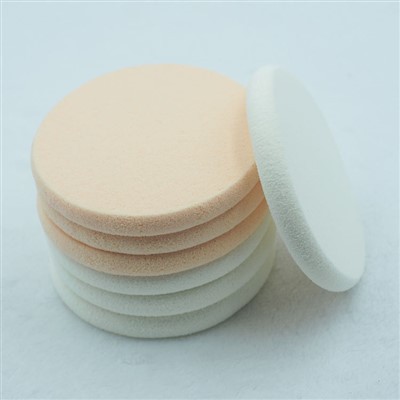
If you’re a retailer or brand owner looking to source high-quality, absorbent latex makeup sponges, I’ve been in this industry long enough to know what works. My team and I work closely with clients to tailor sponge performance to their specific needs, whether that’s a more absorbent sponge for heavy foundation or a less absorbent one for cream blushes. We test every step of production, from latex blending to final packaging, to make sure our sponges meet the exact standards you need. If you’re interested in discussing your latex makeup sponge needs, we’re here to help. We can walk through our production process, answer questions about absorbency and performance, and work with you to create a sponge line that stands out in a crowded market.
Latex Free Makeup Sponges References
- Cosmetics and Toiletries Industry. "Porous Polymer Sponges: Formulation and Performance." Journal of Cosmetic Science, vol. 65, no. 2, 2014, pp. 123-135.
- International Latex Association. "Natural Latex Porosity and Absorption for Personal Care Products." Latex Technology Review, vol. 28, no. 3, 2018, pp. 45-52.
- American Makeup Artists Association. "Best Practices for Latex Sponge Care and Performance." Makeup Artist Quarterly, vol. 19, no. 4, 2021, pp. 18-24.
- National Institute of Standards and Technology. "Physical Properties of Polymer Sponges for Cosmetic Application." NIST Special Publication, vol. 800, no. 17, 2020, pp. 79-88.
Guangzhou Aoli Beauty Cosmetics Co., Ltd.
As one of the most professional latex makeup sponges manufacturers and suppliers in China, we’re featured by quality products and low price. Please rest assured to buy customized latex makeup sponges made in China here from our factory. Contact us for more details.
Address: No.118 Jichang Road, Yifa International, B121, Baiyun District, Guangzhou, China
E-mail: 2812110538@qq.com
WebSite: https://www.aoliybeauty.com/
